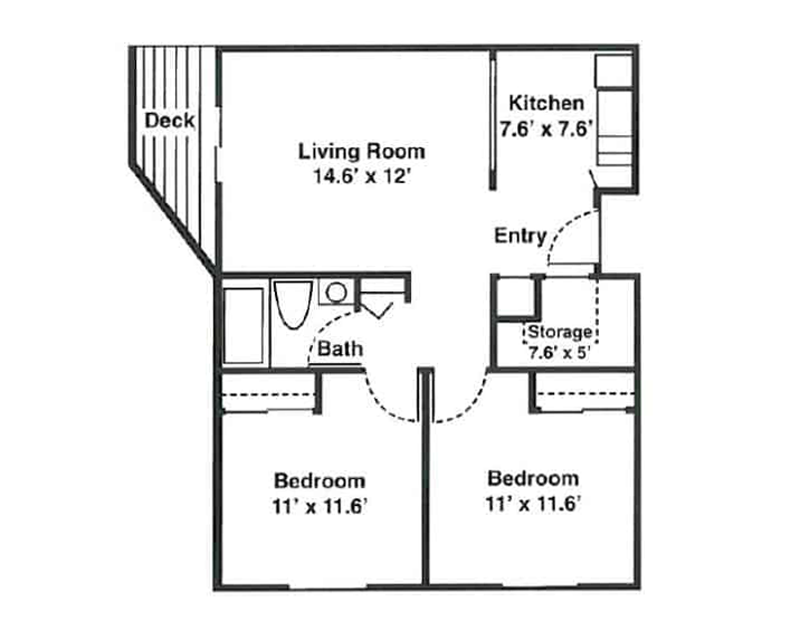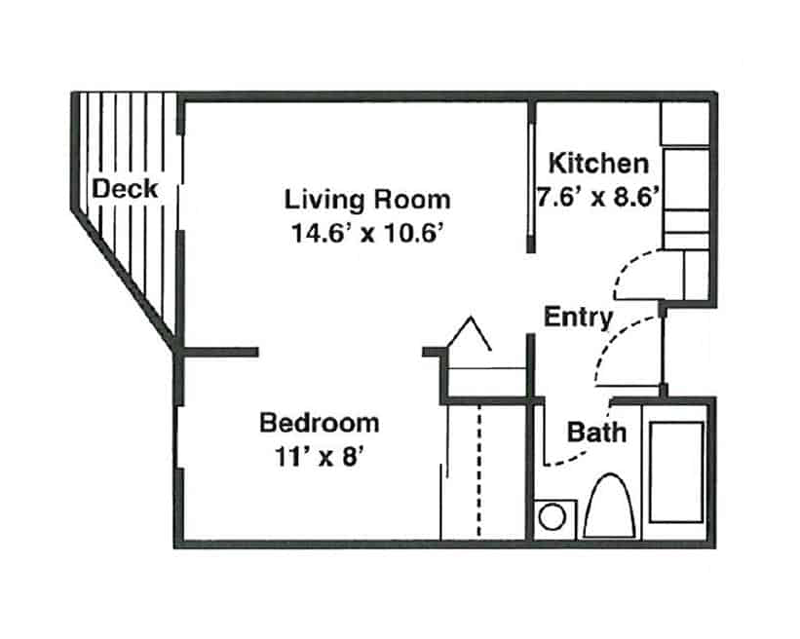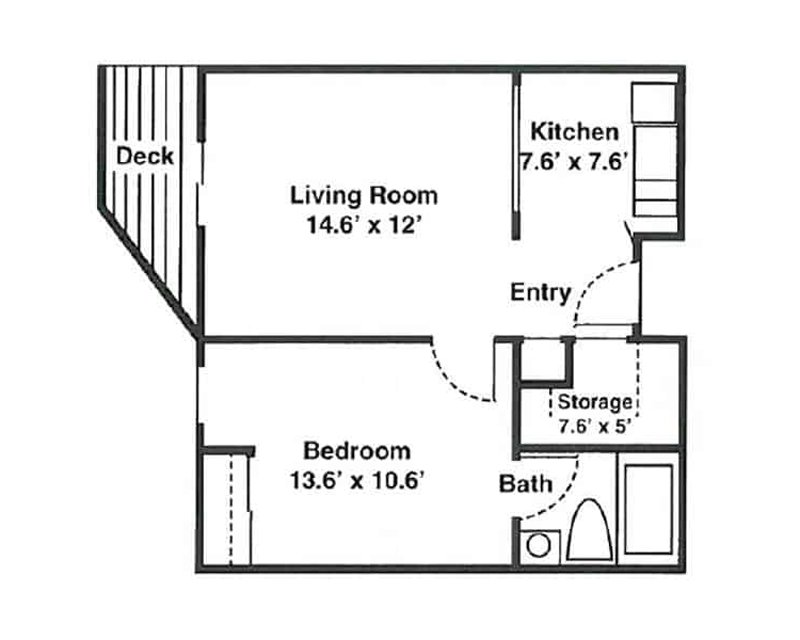
- Living Options
Boise, Idaho Niche: A Strong Lifestyle Match With Important Trade-Offs
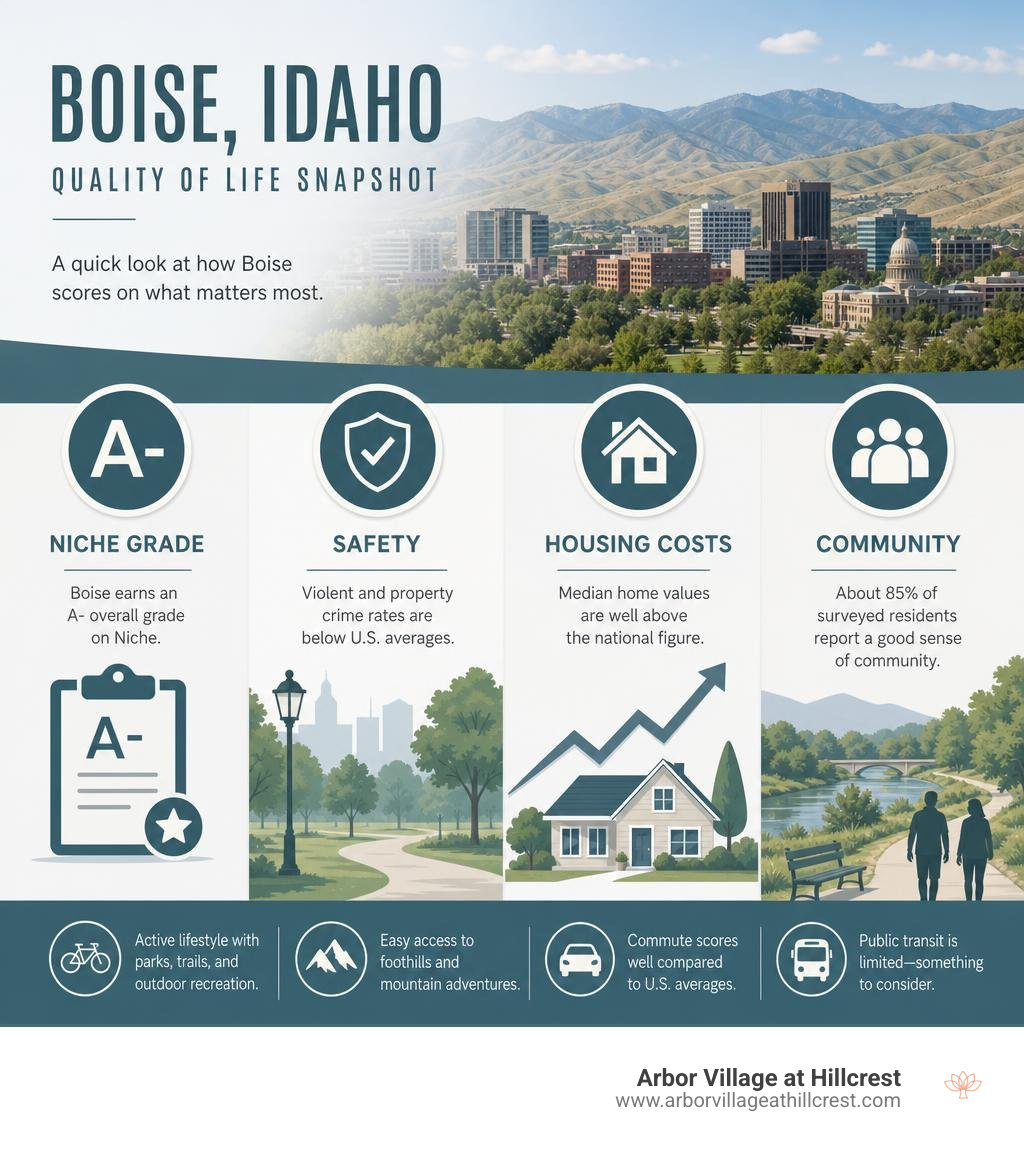
Boise earns an A- overall grade on Niche, making it a strong choice for older adults and families who value safety, community, health, and easy access to the outdoors. The city ranks #12 among the Best Places to Live in Idaho, while its public schools, outdoor activities, health and fitness options, and commute receive especially strong marks.
For adult children helping a parent consider a move, Boise’s appeal is clear:
- Safer-than-average: Violent and property crime rates are below U.S. averages.
- Active lifestyle: The Boise River Greenbelt, foothill trails, parks, and nearby mountain recreation support everyday movement.
- Connected community: About 85% of surveyed residents report a good sense of community.
- Housing pressure: Median home values are well above the national figure, so affordability deserves close attention.
Boise offers a useful blend of city services and a calmer, more residential feel. Still, rapid growth has brought higher housing costs, more traffic, and limited public transit – practical issues to weigh when choosing a neighborhood or senior living setting.
I am Phillip King, an executive leader with decades of experience across senior living operations, occupancy, resident experience, and financial performance. In reviewing Boise Idaho Niche data, I focus on what quality-of-life scores mean in real terms for older adults and the families supporting them.
Boise idaho niche vocab to learn:
What the Boise Idaho Niche Report Card Reveals About Quality of Life
When you look at the broad spectrum of data compiled by Boise, ID – Niche, the picture that emerges is one of balanced, active livability. Boise provides a dense suburban feel across Ada County, blending clean municipal infrastructure with immediate connections to the scenic beauty of southwestern Idaho.
The city scores exceptionally well in core daily living categories. It earns straight A ratings in Outdoor Activities, Health & Fitness, and Commute, backed by an A- in Public Schools. These scores reflect a municipality designed around personal wellness and outdoor mobility. Whether you are walking along tree-lined boulevards, commuting downtown in under 20 minutes, or cycling along riverside pathways, the physical environment encourages an active, healthy routine.
However, the report card also highlights areas that require careful planning. Boise receives a C+ in Housing and a C- in Cost of Living. The influx of new residents over the past decade has pushed home values higher, meaning prospective movers must balance Boise’s undeniable lifestyle perks against current real estate dynamics.
Evaluating the Boise Idaho Niche Livability Scores and National Rankings
National recognition for Idaho’s capital continues to climb. According to the 2026 Boise, ID Rankings – Niche, the city holds impressive standings across competitive national and statewide benchmarks:
- #12 in Best Places to Live in Idaho
- #51 of 229 in Cities with the Best Public Schools in America
- #53 of 230 in Healthiest Places to Live in America
- #80 of 229 in Best Cities to Live in America
- #18 of 69 in Best Places to Retire in Idaho
- #85 of 229 in Best Cities to Retire in America
Beyond the competitive numerical standings, resident sentiment remains overwhelmingly positive. In community surveys, 85% of residents report a strong sense of community, with 54% to 56% characterizing their neighbors as genuinely friendly. This welcoming social fabric is a primary reason why families and seniors choose to establish long-term roots here.
Public Safety and Crime Statistics
Safety is often the primary concern when evaluating a relocation for yourself or an aging parent. Boise stands out nationally as a secure metropolitan area, with crime figures well below United States benchmarks across nearly every metric tracked by the FBI and local law enforcement.
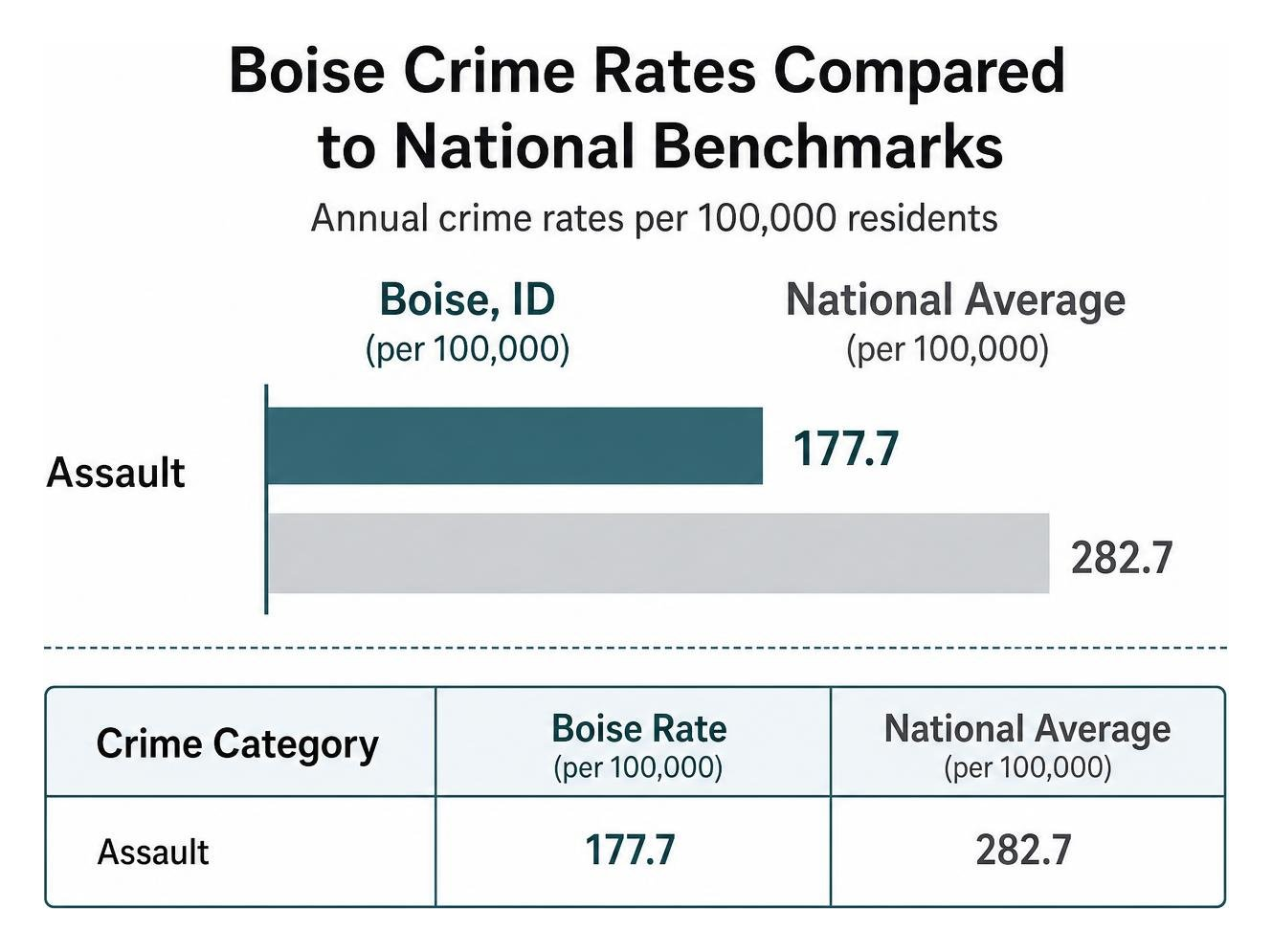
The table below illustrates how Boise’s annual crime rates per 100,000 residents compare against national averages:
| Crime Category | Boise Rate (per 100,000) | National Average (per 100,000) |
|---|---|---|
| Assault | 177.7 | 282.7 |
| Murder | 2.1 | 6.1 |
| Robbery | 21.9 | 135.5 |
| Burglary | 131.7 | 500.1 |
| Theft | 971.9 | 2,042.8 |
| Motor Vehicle Theft | 138.8 | 284.0 |
Visible community policing, active neighborhood associations, and well-maintained public parks contribute to theft and burglary rates that are less than half the national standard. This high baseline of safety provides incredible peace of mind for evening walks, downtown dining, and independent living.
Real Estate Market and Cost of Living in Boise
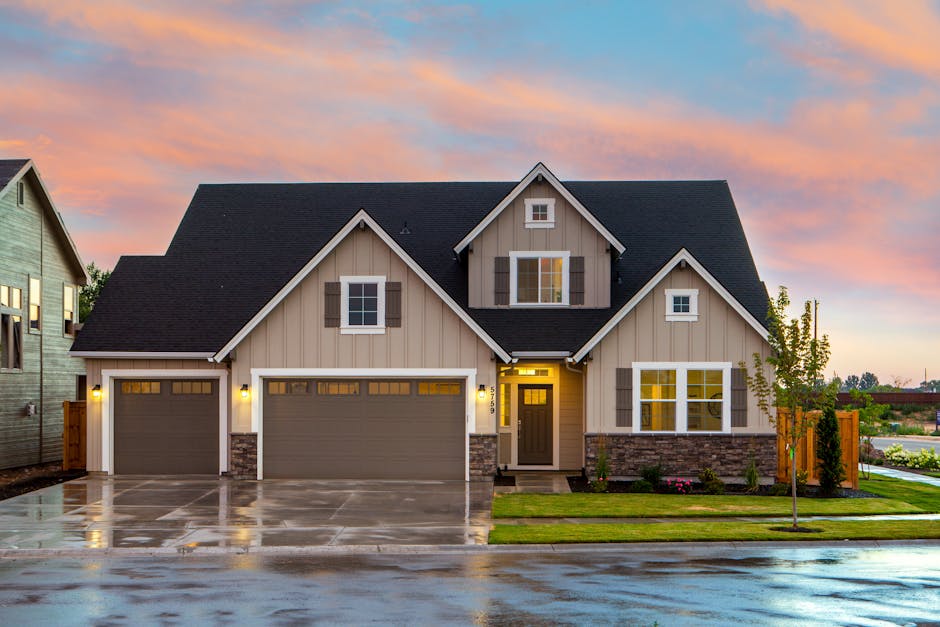
Understanding the local property landscape is essential for anyone considering a move. Boise’s real estate market has matured rapidly from an overlooked regional pocket into a competitive housing market. Before finalizing plans, reviewing An Essential Guide to Boise ID Key Information Insights helps establish a baseline for navigating the area’s practical daily costs.
The city maintains a 63% homeownership rate, with 37% of the population renting. The median home value currently stands at $456,000 (with newer district averages reaching between $484,800 and $493,319), compared to the national median of $303,400 to $332,700. For renters, the median monthly rent ranges from $1,359 to $1,446, aligning closely with the national median of $1,348 to $1,413.
Housing Trends and Neighborhood Affordability
A closer look at the Boise Real Estate Market – Niche shows that property values are concentrated in mid-to-upper price brackets.
- $400,000 – $749,000: 52% of homes
- $200,000 – $399,000: 23% of homes
- $750,000 and above: 18% of homes
- Under $200,000: 7% of homes
Despite elevated purchase prices relative to national baselines, resident polls reveal that 53% of local residents still consider Boise housing affordable relative to regional wages and quality of life. Furthermore, 70% of residents rate the interior and exterior quality of Boise homes as good or excellent, reflecting high construction standards, established tree canopies, and well-kept suburban properties.
Demographic Profile and Economic Strength
Boise’s local economy provides a stable foundation for working professionals and retirees alike. According to Boise Demographics and Statistics – Niche, the city is home to a population of approximately 235,701 to 237,242 residents.
The local economy boasts an exceptionally low unemployment rate of 2.5% to 2.6% and a poverty rate of 10.6%. The median household income sits at $81,308 to $83,904, comfortably outperforming the national median of $78,538 to $80,734.
Educational attainment across the city is high:
- 30% hold a Bachelor’s degree
- 18% hold a Master’s degree or higher
- 28% have completed some college or earned an Associate’s degree
Boise also features an established senior demographic, with 15% to 16% of the population aged 65 and older. This creates a vibrant intergenerational community where older adults enjoy dedicated wellness programs, active community centers, and specialized healthcare networks.
Top-Rated Neighborhoods and Education Options in the Treasure Valley
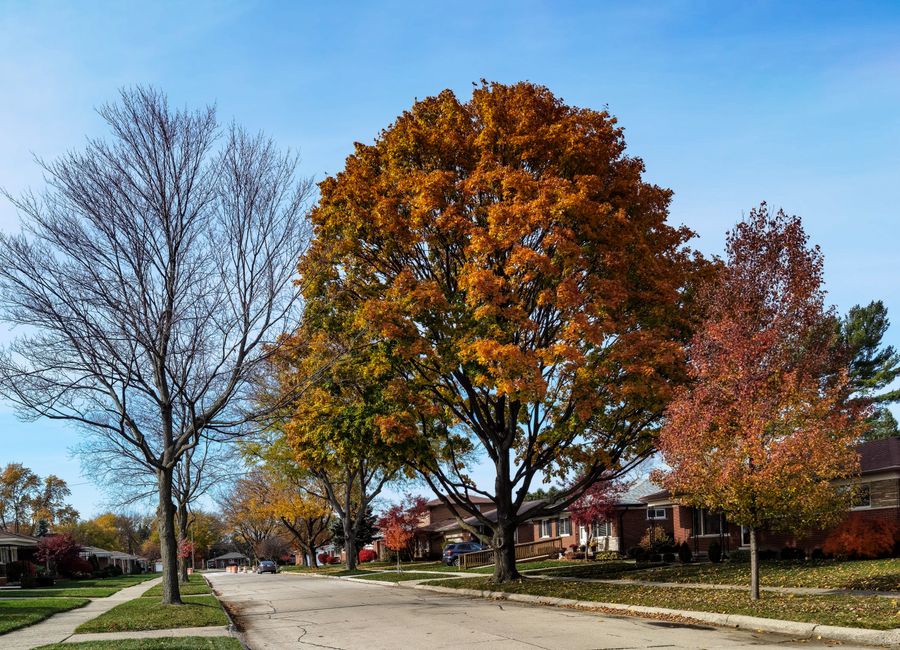
Finding the right part of town depends on whether you value historic architecture, foothill trail access, or proximity to local dining. To pinpoint specific locations across Ada County, explore our breakdown of Boise Zip Codes Find Your Way Around Idahos Capital.
Several standout neighborhoods define the Boise experience:
- North End (Grade A+): Known for historic Craftsman bungalows, the vibrant Hyde Park retail strip, and immediate access to the Boise Foothills trail system.
- Boise Heights (Grade A): Elevated living featuring panoramic views of the Treasure Valley, large lot sizes, and quiet residential streets.
- Sunset (Grade A): A charming, family-friendly pocket offering convenient access to local parks, downtown, and Veterans Memorial Parkway.
- Depot Branch (Grade A-): Centered around the historic Boise Depot, this neighborhood earns an A+ in Nightlife and A in Outdoor Activities, ranking #5 among Best Neighborhoods for Young Professionals in Boise. It boasts a median home value of $446,701 and a 67% homeownership rate.
Navigating Neighborhood Profiles Using Boise Idaho Niche Insights
Neighborhood grading on Niche takes into account everyday livability factors such as walkability, park access, crime frequency, and local commute times.
While neighborhoods like North End and Depot Branch offer walkable access to coffee shops, local bistros, and urban parks, outer suburban neighborhoods deliver larger floor plans, newer construction, and quiet cul-de-sacs. Whether evaluating an area for a young family or a senior looking to downsize near medical providers, the diversity of Boise’s micro-neighborhoods accommodates a wide range of lifestyle priorities.
Public, Charter, and Private School Excellence
The region is widely recognized for its robust educational ecosystem. The Boise School District – Idaho – Niche holds an overall grade of A-, serving over 22,000 students with a favorable 16:1 student-teacher ratio, an 83% graduation rate, and an average SAT score of 1210.
Key educational benchmarks include:
- Top Elementary Schools: Ada County’s top public elementary performers include Collister Elementary School, Highlands Elementary, and Roosevelt Elementary—with half of the county’s top 10 elementary schools located within Boise.
- Top Public High Schools: Renaissance High School (Grade A+), Meridian Medical Arts Charter School (Grade A+), and Boise Senior High School (Grade A) lead regional academic rankings.
- Charter Leadership: North Star Charter School holds an overall A grade (A+ for Teachers), ranking as the top K-12 public charter institution in Ada County.
- Premier Private Options: Riverstone International School ranks as the #1 private school in Boise (Grade A+). Situated on a 14-acre campus, it offers an International Baccalaureate (IB) curriculum from preschool through 12th grade, where 100% of graduates gain acceptance to top four-year colleges.
Weighing the Pros and Cons of Relocating to Boise
Examining resident feedback on Boise, ID Reviews – Niche (where the city maintains a stellar 4.4 out of 5-star rating across nearly 700 reviews) reveals clear lifestyle advantages alongside practical growth considerations.
Key Lifestyle Advantages
- Four-Season Outdoor Recreation: Residents enjoy floating the Boise River in the summer, hiking the Ridge to Rivers foothill trail system in the spring and fall, and skiing at Bogus Basin Mountain Recreation Area just 23 miles from downtown during the winter.
- The Boise River Greenbelt: A 25-mile paved pathway weaving through the heart of the city, connecting scenic riverside parks, Boise State University, and downtown dining.
- Vibrant Cultural & Culinary Scene: Boise features thriving craft breweries, local farm-to-table dining, the Basque Block, and community venues like JUMP (Jack’s Urban Meeting Place).
- Collegiate Spirit: The community gathers around Boise State Broncos athletics, famously cheering on the blue turf at Albertsons Stadium.
- Welcoming Atmosphere: Newcomers regularly note the clean public spaces, well-maintained parks, and neighborly culture.
Growth Challenges and Relocation Considerations
- Housing Cost Pressures: Home values have risen significantly, requiring careful budgeting for buyers moving from lower-cost regions.
- Transit Limitations: Public transportation options like Valley Regional Transit buses are limited, making personal vehicle ownership standard for daily commuting.
- Traffic Congestion: Influx across Ada County has extended commute times along major arterial routes like Interstate 84 and Eagle Road during peak hours.
- Administrative Adjustments: If you are managing relocation paperwork, address changes, or legal filings, refer to The Quick Guide to Writing the Boise Idaho Abbreviation Correctly to ensure smooth processing across municipal and postal forms.
Frequently Asked Questions About Living in Boise
What is the overall Niche grade for Boise, Idaho?
Boise holds an overall Niche grade of A-. The city earns standout A grades in Outdoor Activities, Health & Fitness, and Commute times, an A- in Public Schools, balanced against lower grades in Housing (C+) and Cost of Living (C-). It ranks #12 among the Best Places to Live in Idaho and #53 in Healthiest Places to Live in America.
Is Boise, Idaho a safe place to live and raise a family?
Yes, Boise is statistically safer than most U.S. cities of comparable size. Its violent crime rate for assault (177.7 per 100k) is significantly lower than the national average (282.7 per 100k), and its theft rate (971.9 per 100k) is less than half the national benchmark (2,042.8 per 100k).
How does the cost of living in Boise compare to the national average?
Boise’s cost of living is slightly higher than the national baseline, primarily driven by real estate. The median home value in Boise is approximately $456,000 (compared to the $303,400 national median). However, median rental rates ($1,359 to $1,446) track closely with national figures, and median household incomes ($81,308 to $83,904) remain higher than national averages.
Conclusion
Boise, Idaho delivers a compelling lifestyle upgrade that balances outdoor recreation, clean neighborhoods, high-performing schools, and low crime rates. While the cost of housing has increased alongside the city’s popularity, the strong sense of community, thriving economy, and active four-season environment make it an exceptional destination for families, working professionals, and seniors alike.
At Arbor Village at Hillcrest, we understand how important finding the right community is when planning a lifestyle transition. Our beautifully renovated, pet-friendly senior living community provides independent living, supportive assisted living in Boise Idaho, and respite care. With robust daily activities, attentive staff, and on-site amenities, we make it easy for older adults to experience the very best quality of life Idaho’s capital has to offer.
Related Posts
- A Clear Guide to Senior Assisted Living Housing Options

Compare adult assisted living apartments to other senior housing, explore costs, eligibility, and amenities, and find the right community for your loved one.
- Moving to Senior Living with Your Pet Made Simple

Find nursing homes that allow pets. Explore policies, costs, and expert tips to transition into senior living with your pet.
- Finding the Perfect 55+ Rental Community Without the Headaches

Find apartments for active seniors near me with this guide to 55+ rentals, costs, amenities, and tours for a maintenance-free lifestyle.
Recent Posts
 Stretch Your Retirement Budget With Subsidized Senior Apartments
Finding Apartments for Seniors on a Fixed Income
To find apartments for seniors on a fixed income in Boise, start with your local public housing authority and ask about open waiting lists. Also contact Section 202 senior properties and income-restricted apartment communities directly. Apply to more than one list: vouchers, subsidized buildings, and tax-credit apartments can have different openings and rent rules.
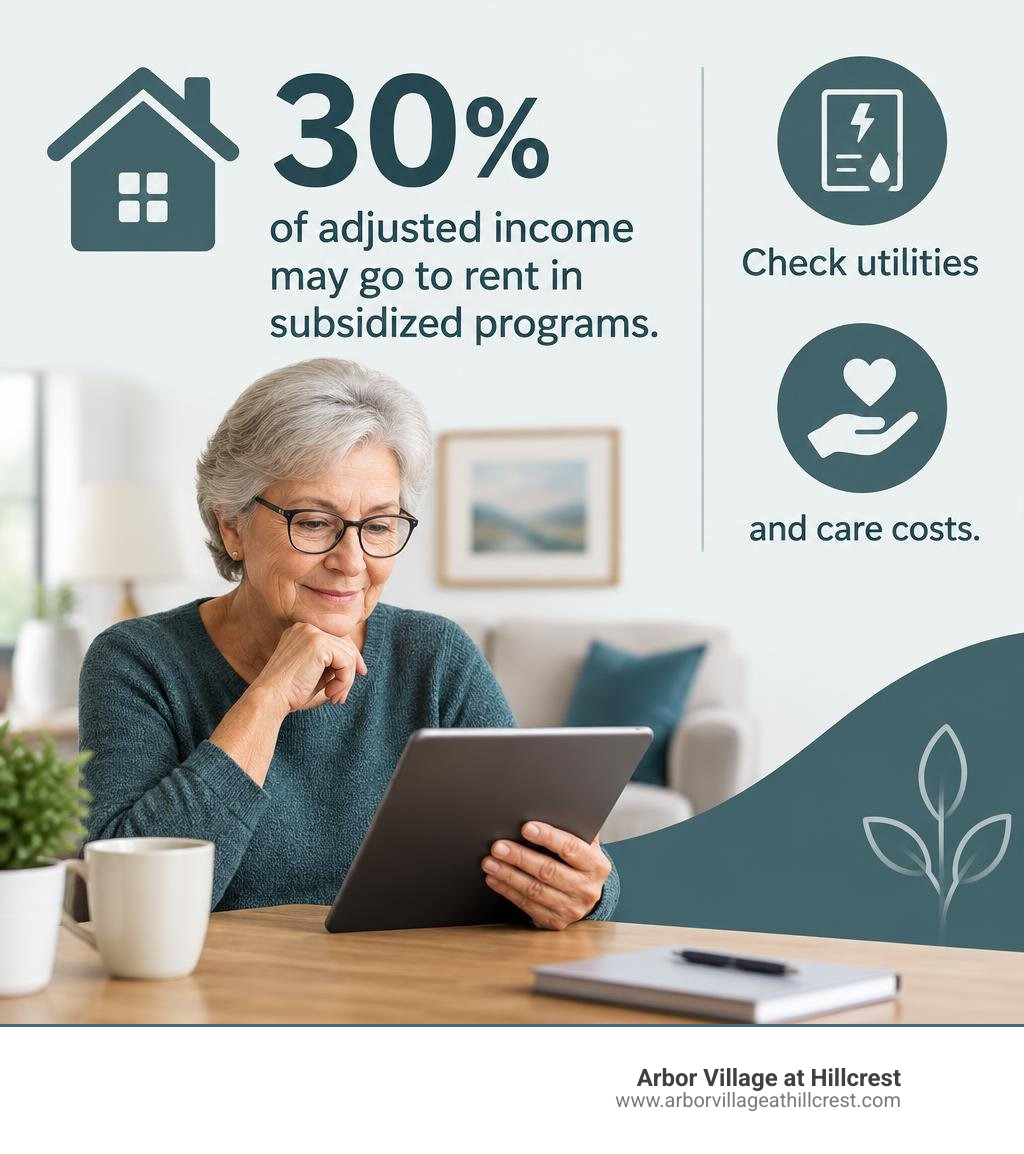
As a starting point for your budget, many subsidized programs set rent at about 30% of adjusted monthly income. Ask each property what you would actually pay, including utilities. If your parent needs help with daily tasks, check what support is available separately; an affordable apartment does not necessarily include personal care.
I’m Phillip King, and I’ve spent decades working across senior living operations, including independent and assisted living. I’ll use that experience to help you weigh apartments for seniors on a fixed income against your parent’s budget and support needs.

Apartments for seniors on a fixed income helpful reading:
Planning for retirement living in November 2026 can feel daunting when you look at current economic data. Today, roughly 9.9% of adults age 65 and older live in poverty across the United States, and under the Supplemental Poverty Measure, that figure climbs toward 15%. Over 17 million older Americans are economically insecure, living at or below 200% of the federal poverty guideline ($31,920 annually for an individual).
Housing remains the single largest expense for retirees. More than 58% of senior renters and 34% of senior homeowners spend 30% or more of their monthly income strictly on housing costs, making them officially cost-burdened. When the average monthly Social Security retirement benefit sits around $2,071 and Supplemental Security Income (SSI) averages approximately $736 to $994 per month, private market rent can quickly consume every penny. With the population over 65 expected to reach 73 million by 2030, learning how to unlock affordable housing programs is essential to protecting your long-term comfort and security.
Understanding Affordable Housing Options for Low-Income Retirees
Finding safe, comfortable housing that aligns with a modest monthly check does not mean settling for subpar conditions. A variety of federal and state-supported housing initiatives exist specifically to lower the cost of living for retirees. Exploring affordable senior living communities made simple for budget-conscious retirees helps you identify which program matches your income tier and lifestyle expectations.
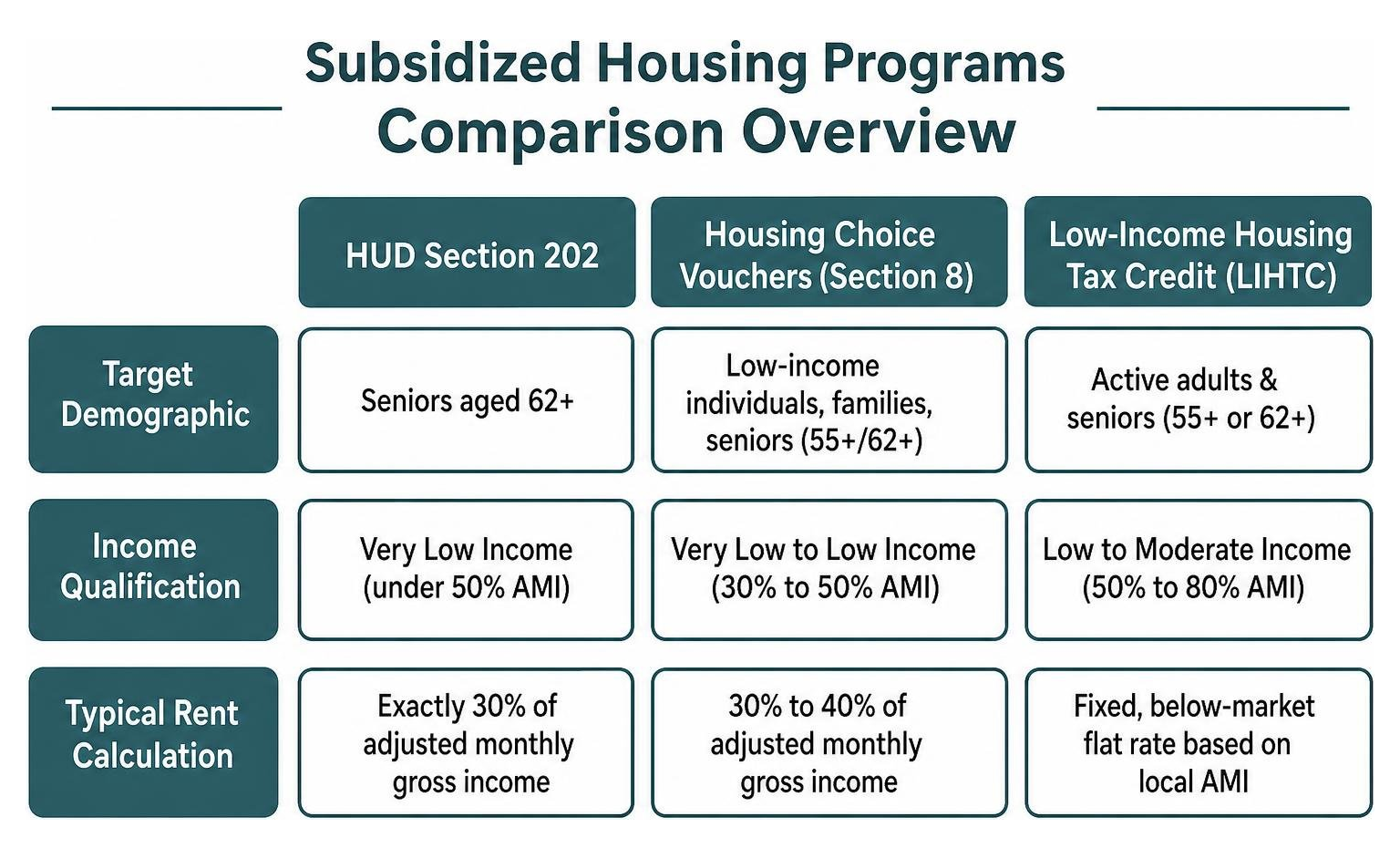
Program Name Target Demographic Income Qualification Typical Rent Calculation HUD Section 202 Seniors aged 62+ Very Low Income (under 50% AMI) Exactly 30% of adjusted monthly gross income Housing Choice Vouchers (Section 8) Low-income individuals, families, seniors (55+/62+) Very Low to Low Income (30% to 50% AMI) 30% to 40% of adjusted monthly gross income Low-Income Housing Tax Credit (LIHTC) Active adults & seniors (55+ or 62+) Low to Moderate Income (50% to 80% AMI) Fixed, below-market flat rate based on local AMI Public Housing Developments Low-income seniors and families Low Income (under 80% AMI) 30% of adjusted monthly gross income HUD Section 202 and Housing Choice Vouchers
The primary federal cornerstone for senior housing is the Section 202 Supportive Housing for the Elderly program managed by the U.S. Department of Housing and Urban Development. Section 202 properties are designed specifically for adults aged 62 and older who meet very low-income guidelines (typically earning 50% or less of the Area Median Income).
Under Section 202, tenants contribute 30% of their adjusted monthly gross income toward rent, and HUD provides direct rental subsidies to the building operators to cover the remaining balance. When calculating countable income, HUD allows specific deductions for seniors. In 2026, this includes an automatic $550 mandatory elderly household deduction, as well as allowances for qualifying out-of-pocket medical and prescription expenses that exceed 3% of your annual income. Official Information for Senior Citizens outlines how these capital advance programs also help fund on-site service coordinators who assist residents with accessing community resources and daily meal programs.
Meanwhile, Section 8 Housing Choice Vouchers operate in two distinct forms:
- Tenant-Based Vouchers: The voucher belongs to you. You can take it to any private rental property that accepts Section 8 vouchers, provided the unit meets HUD health and safety quality standards and falls within the local Fair Market Rent payment standard.
- Project-Based Vouchers (PBVs): The subsidy stays attached to a specific apartment unit in a partner-owned property. If you move in, you enjoy the subsidized rent (paying 30% of your income), but if you decide to move out, the voucher remains with the unit for the next qualifying applicant.
Low-Income Housing Tax Credit (LIHTC) and Senior Communities
The Low-Income Housing Tax Credit (LIHTC) program is another widespread model for affordable housing. Unlike Section 202 or Section 8, LIHTC developments are built and managed by private developers and management companies who receive federal tax credits in exchange for setting aside units at capped, below-market rental rates.
LIHTC properties do not calculate your rent as a direct 30% percentage of your individual monthly check. Instead, they charge a fixed, predictable rent pegged to set Area Median Income (AMI) tiers—most commonly 50%, 60%, or 80% AMI. For instance, in an area where 60% AMI allows a flat rent of $800 per month for a one-bedroom apartment, any applicant qualifying under that income ceiling pays that flat $800, regardless of whether their personal income is $1,200 or $2,400 monthly.
If you are looking to downsize and enjoy peer companionship, you can find your next home in a thriving 55 senior apartment community developed under LIHTC guidelines. Under the Fair Housing Act, communities designated as 55+ must ensure that at least 80% of occupied units include at least one person aged 55 or older, while communities restricted to 62+ must ensure that 100% of residents meet that age threshold.
Key Government Programs and Apartments for Seniors on a Fixed Income
When putting together your monthly budget, it is important to map out all public benefits and recurring revenue streams. For the vast majority of older adults, Social Security forms the financial base. With the average 2026 Social Security retirement check at $2,071, budgeting for market-rate independent living or private apartments can be tight. Those relying on Supplemental Security Income (SSI) face even stricter limits, receiving approximately $736 to $994 per month.
A common question many retirees ask is whether health insurance covers apartment rental fees. Medicare does not pay for room and board, apartment rent, or custodial long-term care. Medicare only covers medically necessary clinical healthcare, such as doctor visits, physical therapy, and hospital stays.
Medicaid, on the other hand, can help pay for personal care and daily living assistance through Home and Community-Based Services (HCBS) waivers for those who meet strict financial thresholds (generally an income under $2,982 per month and liquid assets under $2,000 for an individual). While Medicaid waivers may cover personal care services like medication management and bathing support, they typically do not pay standard room and board rental costs in independent senior apartments.
Qualifying for Subsidized Apartments for Seniors on a Fixed Income
To successfully qualify for subsidized housing, applicants must meet specific criteria determined by federal and regional housing authorities:
- Age Requirements: Most senior-specific developments require at least one household member to be 62 or older (as with Section 202), while active adult communities often set the minimum age at 55.
- Income Limits: Program income thresholds are benchmarked annually against local Area Median Income (AMI). Very low-income limits are capped at 50% AMI, while low-income limits range between 50% and 80% AMI. The 2026 federal poverty guideline stands at $15,960 annually ($1,330/month) for an individual and $21,640 ($1,803/month) for a two-person household.
- Asset Thresholds and Exclusions: Subsidized programs review countable assets (such as checking and savings balances, stocks, and bonds), but exclude essential personal possessions, one primary personal vehicle, and certain non-liquid personal property.
- Citizenship and Screening: Applicants must have eligible U.S. citizenship or qualifying legal immigration status, pass criminal background screening, and have a clear rental history free of outstanding debts owed to public housing authorities.
Reviewing a detailed guide on how to qualify and apply for affordable elderly apartments will help you calculate your exact adjusted income before completing formal applications.
How to Apply for Apartments for Seniors on a Fixed Income
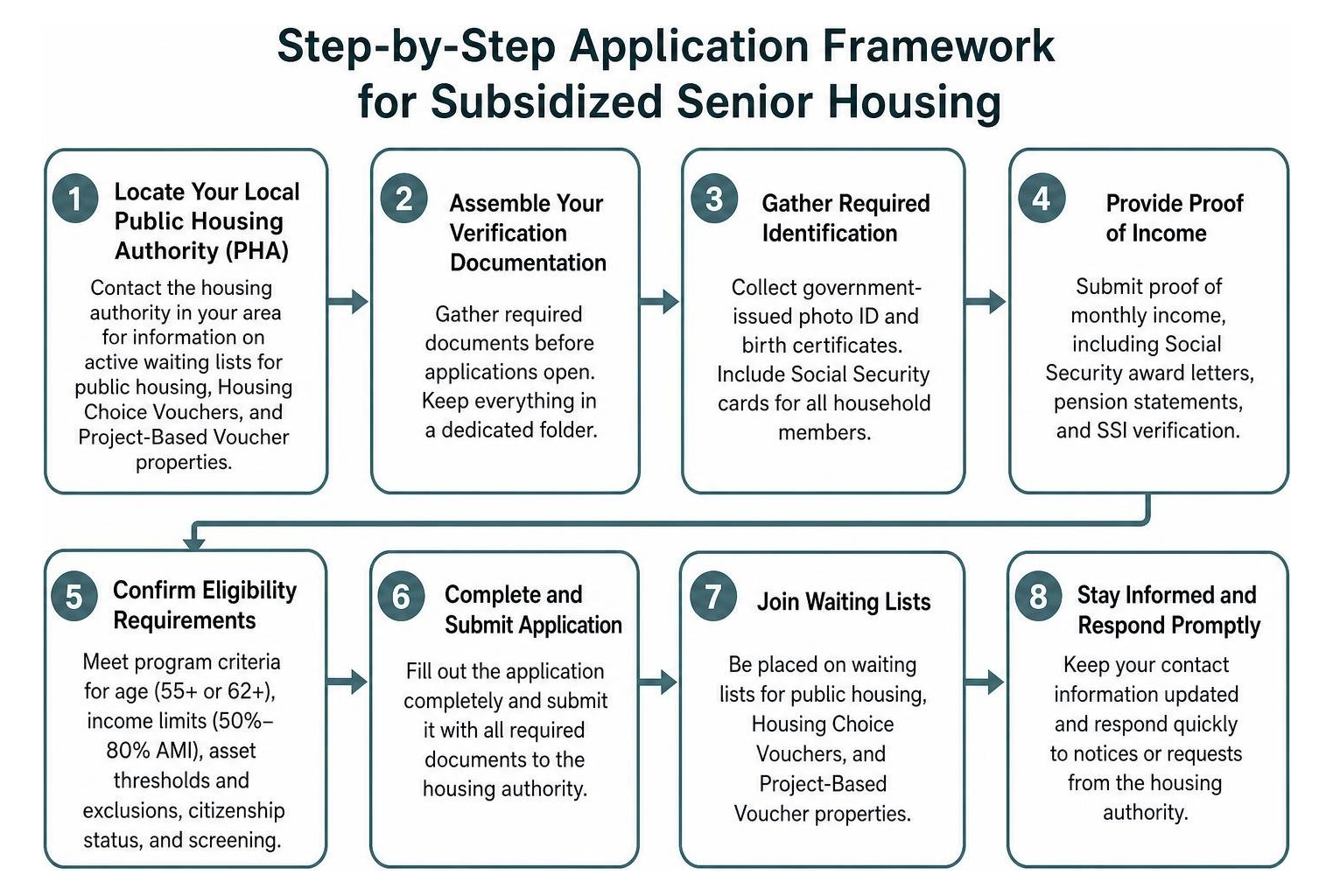
Applying for affordable senior housing requires organization and a clear strategy. Because demand is high across the country, following a structured process helps ensure you do not encounter avoidable delays:
- Locate Your Local Public Housing Authority (PHA): Contact the housing authority serving Boise or your local area to request information on active waiting lists for public housing, Housing Choice Vouchers, and Project-Based Voucher properties.
- Assemble Your Verification Documentation: Before applications open, gather your essential paperwork in a dedicated folder. Housing authorities require:
- Government-issued photo identification and birth certificates.
- Social Security cards for all household members.
- Proof of monthly income, including Social Security award letters, pension statements, and SSI verification.
- Recent bank statements covering the past 3 to 6 months.
- Proof of recurring out-of-pocket medical expenses (prescription receipts, supplemental insurance premiums).
- Prior landlord contact details for rental history verifications.
- Execute a Multi-Waitlist Strategy: Never apply to just one complex. Apply to multiple property waiting lists across different non-profit developments, Section 202 properties, and municipal housing developments simultaneously.
- Identify Special Preferences: When submitting forms, indicate whether you qualify for local waiting list preferences, such as veteran status, living in substandard housing, paying more than 50% of your income toward rent, or involuntary displacement.
Educational resources like Housing for Seniors Based on Income: Affordable & Subsidized Options provide further clarity on how to navigate regional housing agencies.
Managing Waiting Lists and Navigating Affordable Housing Alternatives
One of the biggest hurdles low-income seniors face is navigating waiting lists. Subsidized senior apartment waitlists commonly range from 6 months to over 3 years depending on local inventory and vacancy rates.
To manage this waiting period effectively:
- Keep Contact Details Updated: Housing authorities regularly audit their lists by sending letters. If you change your phone number or mailing address and do not notify the agency, your name could be removed from the waiting list.
- Respond Immediately to Correspondence: When your name nears the top of the list, agencies will issue a short response deadline (often 10 to 14 business days). Keep your organized documentation ready so you can submit updated verifications without delay.
- Explore Bridge Alternatives: If you are waiting on a multi-year list, consider short-term alternatives such as home-sharing networks, moving in with family temporarily, or budgeting for finding your ideal 1 bedroom senior apartment for rent made simple within private, modest rental communities.
What to Look for When Touring Subsidized Senior Communities
When you receive a tour invitation or prepare to select an affordable apartment, look beyond basic curb appeal to evaluate daily safety, accessibility, and ongoing costs.
- Physical Accessibility: Look for step-free zero-threshold entries, wide doorways capable of accommodating walkers or wheelchairs, elevators in multi-story buildings, and secure grab bars in bathrooms.
- Safety and Security Features: Check for functional smoke and carbon monoxide detectors, well-illuminated hallways and parking areas, secured building access systems, and pull-cord emergency response stations in bedrooms and bathrooms.
- Utility Costs and Inclusions: Always ask property management whether base rent covers utilities. In many HUD Section 202 and public housing properties, heat, water, and trash collection are included. If utilities are billed separately, confirm if the community offers a utility allowance deduction to offset your monthly out-of-pocket costs.
- Community Policies and Culture: Ask for written policies regarding pets, visitor rules, and smoking. Federally funded public housing developments strictly prohibit lit tobacco inside units and within a 25-foot perimeter of all buildings, while Section 202 and LIHTC properties establish property-specific smoking and vaping guidelines.
For a comprehensive checklist of questions to ask during a visit, consult the ultimate guide to comparing senior apartment living costs amenities before signing your lease agreement.
Frequently Asked Questions About Affordable Senior Living
Will Medicare or Medicaid cover rent in a senior apartment?
No. Traditional Medicare and Medicare Advantage plans do not pay for monthly room and board, rent, or utilities in senior apartments. Medicare is strictly medical health insurance that funds clinical treatments, outpatient doctor care, hospital stays, and short-term rehabilitative skilled nursing care.
Medicaid cannot pay standard apartment rent either, but qualifying low-income individuals may utilize Medicaid Home and Community-Based Services (HCBS) waivers to receive in-home personal care, such as assistance with dressing, bathing, and meal prep inside their private apartment.
What percentage of monthly income goes toward rent in subsidized senior housing?
In standard HUD-subsidized housing programs—including Section 202 Supportive Housing for the Elderly, public housing, and Housing Choice Vouchers—tenants typically pay 30% of their adjusted monthly gross income toward rent. Your adjusted income is determined by taking your total gross income and subtracting eligible deductions, such as the standard elderly household deduction and allowable unreimbursed out-of-pocket medical expenses.
In Low-Income Housing Tax Credit (LIHTC) properties, rent is not calculated as a 30% percentage of your income, but is instead set at a flat, below-market monthly rate determined by regional Area Median Income brackets.
How long are waiting lists for low-income senior apartments?
Waiting times vary widely based on location and program type, typically ranging anywhere from 6 months to 3 years or longer. In high-demand metropolitan markets, voucher programs may temporarily close their waitlists entirely once application quotas are reached. You can improve your placement timeline by applying to multiple open property-based waitlists simultaneously and keeping your contact information up to date with every housing office.
Conclusion
Stretching your retirement budget requires understanding the housing subsidies and assistance programs available to you. By taking advantage of HUD Section 202 developments, Housing Choice Vouchers, and income-restricted communities, seniors on fixed retirement incomes can secure stable, comfortable living arrangements without sacrificing their financial peace of mind.
While subsidized independent apartments provide a reliable solution for independent seniors, care needs can evolve over time. If you or your loved one in Boise, Idaho reaches a point where daily tasks—like cooking, medication reminders, or personal care—become challenging, we are here to support you. At Arbor Village at Hillcrest, we provide a warm, renovated, and pet-friendly community offering independent living, assisted living, and respite care. Our dedicated, attentive team is focused on delivering engaging activities, exceptional on-site amenities, and personalized support that fits your lifestyle.
To see how our supportive setting can provide comfort, connection, and peace of mind for your family, explore our vibrant senior living community and schedule a personalized tour with our team today.
 Ultimate Checklist for Assisted Living Activities & Options
Assisted Living Activities: What to Look For
Look for a mix of movement, creative projects, learning, social time, and outings. A strong activity calendar offers choices each day, including seated options for residents with limited mobility. Ask your parent what they enjoy, then check whether the community’s schedule reflects those interests. Activities should be easy to join, safe for different abilities, and enjoyable without pressure to participate.
I’m Phillip King. My decades of work in senior living operations have taught me to look beyond a long calendar and ask whether assisted living activities fit the people who live there. A truly engaging community does more than fill time slots. It builds daily rhythms that support physical health, mental sharpness, and emotional connection. When you tour a community, notice whether staff members invite residents into conversations, whether the calendar includes both familiar favorites and fresh experiences, and whether residents appear relaxed and involved rather than simply present.
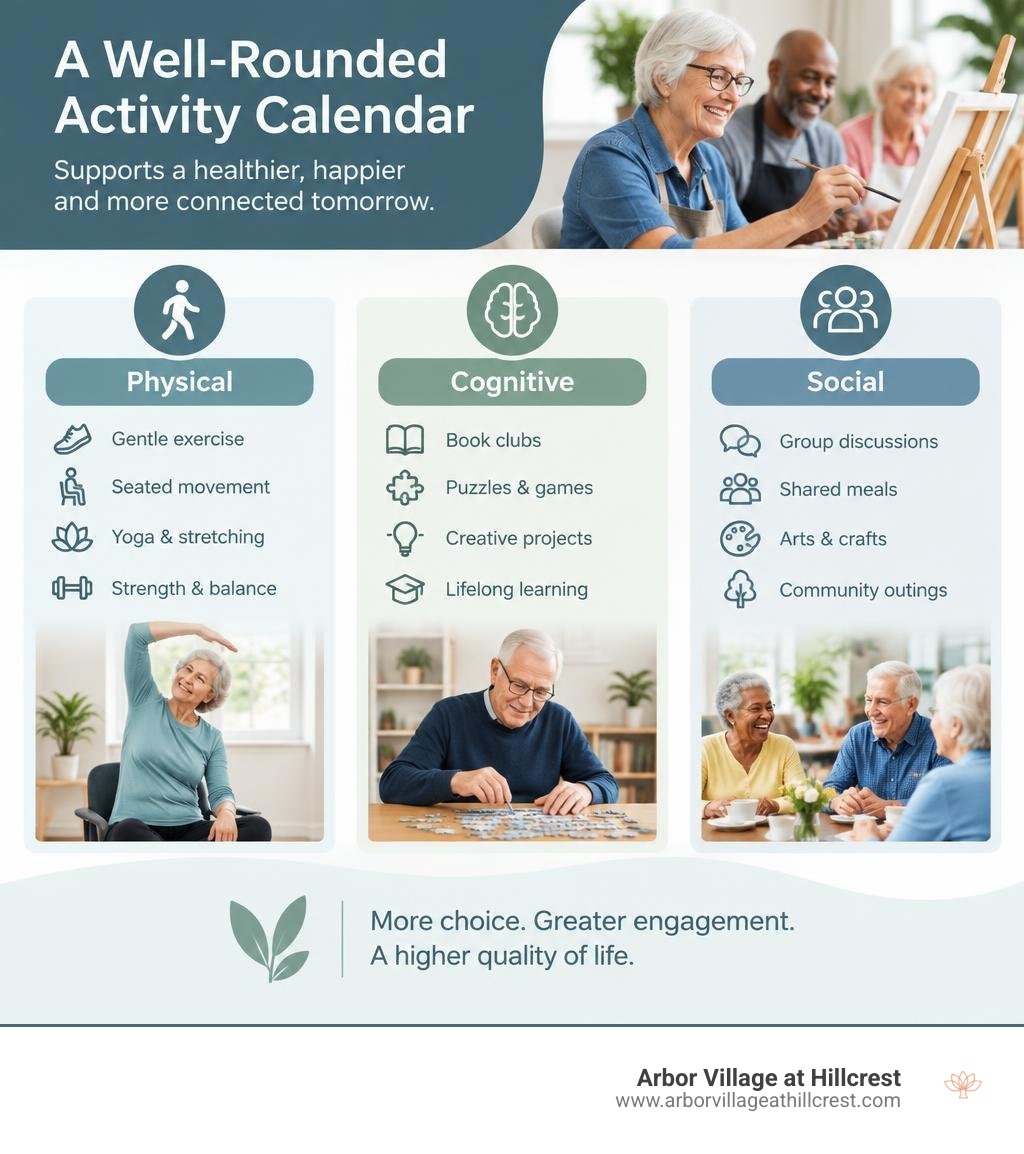
A useful way to evaluate a program is to think across three dimensions: physical, cognitive, and social. Physical activities should include options for standing and seated participants, with staff nearby to support balance and mobility. Cognitive activities should range from light conversation and music to trivia, puzzles, and book discussions. Social activities should create natural opportunities for residents to talk, laugh, and build friendships without feeling forced. The best calendars weave these dimensions together so a resident might stretch in the morning, paint in the afternoon, and enjoy live music with neighbors after dinner.
Core Health and Wellness Benefits of Assisted Living Activities
Engaging daily recreation is not just a way to pass the afternoon; it is a foundational pillar of modern senior wellness. According to the National Institute on Aging (NIA), older adults who engage in mentally and physically stimulating activities can help fend off serious health challenges, including dementia, diabetes, and heart disease. Regular participation supports cardiovascular health, reduces fall risk, and helps residents maintain the strength and stamina needed for everyday tasks such as dressing, bathing, and moving safely through their homes.
When considering senior care options—where the median cost of assisted living across the country is approximately $5,419 per month—the richness of life within the community matters immensely. A thoughtfully designed lifestyle program demonstrates how active senior care keeps aging adults thriving and independent. Families should view the activity calendar as part of the care plan, not as an optional extra. The right mix of movement, mental challenge, and social contact can improve sleep, lift mood, and help residents feel more like themselves.
Physical Vitality and Mobility Maintenance
Physical movement helps preserve independence. Regular exercise decreases depression, reduces fall risks, lowers blood pressure, and improves overall strength, balance, and sleep quality. It also supports joint flexibility and circulation, which are essential for older adults who want to remain active in their daily routines.
Our movement sessions focus on joint flexibility, circulation, and functional strength. Whether participating in chair yoga or light resistance training, residents maintain the mobility necessary to navigate daily life with confidence and ease. Even modest, consistent movement can make a meaningful difference in how residents feel when they get up in the morning, walk to the dining room, or reach for an item on a shelf.
Cognitive Stimulation and Memory Support
The brain thrives on novelty and challenge. Group trivia, complex puzzles, strategy games, and reminiscence therapy encourage neuroplasticity and memory retention. Keeping cognitive pathways active through conversational games and problem-solving gives residents an intellectual spark that brightens their everyday routines. Activities that ask residents to recall a favorite song, solve a word puzzle, or share a story from their past help keep memory and language skills engaged in a low-pressure, enjoyable way.
Combating Isolation Through Meaningful Connection
Social isolation and prolonged loneliness among seniors significantly increase the risks of heart disease, obesity, elevated blood pressure, and cognitive decline. Group activities provide natural opportunities to forge new friendships. Sharing laughter over a board game or swapping stories during morning coffee builds peer bonding and creates a strong sense of belonging. Over time, these small interactions become the emotional foundation of community life, helping residents feel known, valued, and connected to the people around them.
The Comprehensive Categories of Engaging Senior Activities
A thriving activity program balances routine with variety, ensuring there is something exciting for every personality and energy level. The most successful communities treat the calendar as a living document that evolves with resident interests, seasonal changes, and new ideas from staff and families.
Creative Expression and Lifelong Learning
Creativity does not retire. Many seniors love painting, pottery, creative writing, card making, and book clubs. Engaging in artistic hobbies acts as a meditative outlet while building fine motor skills. Exploring fun group activities for assisted living helps residents unlock new artistic talents or pick up beloved hobbies they have not practiced in years. Creative projects also give residents a tangible sense of accomplishment. A finished watercolor, a handwritten poem, or a handmade greeting card can spark pride and become a meaningful gift for a family member or friend.
Adaptive Fitness, Movement, and Mindfulness
Daily movement classes like gentle stretching, walking clubs, tai chi, and guided breathwork help ground the mind and invigorate the body. Modern wellness extends far beyond old-school routines, taking full advantage of modern independent living amenities such as dedicated wellness studios, scenic courtyards, and accessible fitness centers. Mindfulness practices, including guided meditation and slow breathing, can reduce anxiety and help residents feel calmer throughout the day.
Scenic Community Outings and Nature Exploration
Research consistently shows that spending time in natural settings lowers stress and elevates overall mood. Regular local excursions offer refreshing changes of scenery. We love organizing scenic Boise senior outings to local botanical gardens, riverside parks, and cultural museums, bringing nature therapy and community connection right to our residents’ front door. Outings also give residents a chance to share experiences with neighbors outside the usual setting, which can deepen friendships and create lasting memories.
Festive Celebrations and Intergenerational Events
Special events bring vibrant energy into the neighborhood. Live musical performances, themed seasonal dinners, local school choir visits, and pet therapy bring joy across generations. Organizing lively holiday celebrations keeps cherished traditions alive while creating wonderful new memories for residents, friends, and visiting families alike. Intergenerational events are especially powerful because they connect residents with younger generations, offering fresh perspectives and the warmth of shared celebration.
How to Tailor Programs for Diverse Physical and Cognitive Abilities
No two residents have the exact same interests, health profiles, or endurance levels. An exceptional recreation team adapts every session so everyone can join in without frustration or fatigue. The goal is to create an environment where participation feels welcoming rather than competitive, and where each resident can engage at a level that feels comfortable and meaningful.
Mobility & Cognitive Level Recommended Physical Programs Recommended Cognitive & Creative Options Key Adaptations & Support High Mobility / Mild Support Walking clubs, standing yoga, lawn games Book clubs, advanced trivia, canvas painting Self-paced pacing, hydration stops Limited Mobility / Seated Chair aerobics, seated balloon volleyball Floral arranging, water coloring, card games Adaptive grips, zero-step access Sensory / Memory Care Focus Gentle rhythmic swaying, hand massage Aromatherapy, tactile puzzles, music sing-alongs Clear verbal cues, low-distraction spaces Structuring Inclusive Assisted Living Activities for Limited Mobility
Physical limitations should never prevent someone from participating in community life. Adaptive gardening using raised planters, seated balloon volleyball, wheelchair-accessible trivia circles, and tactile arts ensure everyone stays involved. Care teams follow established state guidelines on adult care activities and nutrition to ensure activities are paired with proper physical support, adaptive equipment, and comfortable seating. Staff members are trained to offer assistance without hovering, so residents can remain as independent as possible while still receiving the help they need.
Cognitive and Sensory-Focused Engagement
For residents managing memory loss or advanced cognitive changes, structured sensory activities are deeply comforting. Music therapy, rhythmic sing-alongs, aromatherapy, and tactile fabric stations spark positive memories and reduce afternoon restlessness without causing cognitive overwhelm. These activities rely on familiar, soothing inputs rather than complex instructions, which helps residents feel safe and engaged even when verbal communication becomes more difficult.
Designing, Scheduling, and Managing a Well-Balanced Routine
Data shows that across communities utilizing structured digital engagement platforms, a median of 79.6% of residents participate actively every month when calendars are clear, diverse, and well-promoted. That level of participation does not happen by accident. It requires thoughtful planning, consistent communication, and a willingness to adjust based on what residents actually enjoy.
Designing a Dynamic Monthly Calendar of Assisted Living Activities
A balanced calendar blends predictable daily favorites with fresh novelty events. By mastering the assisted living activity calendar, teams ensure mornings feature gentle physical exercise, afternoons offer creative or intellectual workshops, and evenings wind down with social gatherings. It is also vital to plan plenty of engaging weekend activity ideas so the weekend stays just as lively as the workweek. Seasonal themes and novelty events keep the calendar from feeling stale, while familiar favorites give residents a comforting sense of rhythm.
Here are several creative, low-cost activity ideas that enrich daily schedules:
- Culinary Demonstrations: Resident-guided recipe sharing featuring simple, no-bake heritage treats.
- Sip and Paint Socials: Non-alcoholic sparkling ciders paired with guided watercolor landscape painting.
- Armchair Travel Clubs: Themed afternoons exploring world destinations via travel documentaries, cultural music, and regional snacks.
- Story Circles & Oral History: Recorded storytelling hours where seniors share life advice and classic memories with peers.
- Gardening & Floral Arranging: Arranging seasonal blooms into centerpieces for community dining tables.
- Music and Memory Hours: Listening to favorite songs from different decades and sharing the stories those songs bring to mind.
- Gentle Morning Wake-Up Stretch: A short, seated routine that helps residents start the day with better circulation and a clearer mind.
Gathering Resident Feedback and Incorporating Personal Preferences
A vibrant calendar is built with residents, not just for them. Monthly resident council meetings, suggestion boxes, and one-on-one welcome surveys ensure the calendar evolves to reflect the community’s real passions. Staff should also observe which activities draw the most enthusiastic participation and which ones consistently fall flat, then use those observations to refine the schedule. When residents see their ideas appear on the calendar, they feel a stronger sense of ownership and are more likely to invite friends and neighbors to join.
Safety Protocols, Accessibility, and Family Involvement
A successful recreation program prioritizes resident health and security while encouraging active family participation. Safety and enjoyment are not competing goals; the best activities are designed so residents can relax and have fun because the environment has already addressed potential risks.
Essential Safety Standards and Health Precautions
Safety must be woven seamlessly into every gathering. Activity areas should feature non-slip flooring, wide clearance for mobility devices, comfortable climate control, and easy access to hydration stations. Staff are trained in fall prevention, emergency response, and adaptive ergonomics while upholding certified assisted living standards in Idaho. Before each activity, team members check that chairs are stable, walkways are clear, and any equipment is in good condition. During outings, staff maintain appropriate supervision ratios and carry emergency contact information for every resident.
Engaging Families and Staff in Meaningful Programming
We believe community life is brightest when loved ones join in. Families are always welcome to participate in weekend brunches, holiday banquets, summer courtyard barbecues, or volunteer to lead a club based on their own unique talents. Family members who share a skill—whether it is playing an instrument, teaching a craft, or leading a book discussion—add variety to the calendar and create special moments with their loved ones. Staff members also play a key role by learning residents’ preferences, offering gentle encouragement, and celebrating small victories alongside the people they serve.
Frequently Asked Questions About Assisted Living Activities
What are the most popular activities in assisted living communities?
Fitness classes like chair yoga, live musical entertainment, trivia nights, holiday parties, and local shopping or scenic outings are consistently among the most popular offerings. Residents also enjoy creative workshops such as painting and floral arranging, as well as social games that encourage conversation and laughter.
How do communities accommodate seniors with varying mobility or cognitive levels?
Programs use adaptive tools (such as large-print cards, non-slip mats, and easy-grip scissors), offer seated variations for all movement classes, and provide direct staff assistance so everyone can participate safely. Activities are often offered at different levels of difficulty, and sensory-focused options are available for residents with memory loss or advanced cognitive changes.
Can family members participate in scheduled community events?
Yes! Most assisted living communities encourage family members, grandchildren, and close friends to attend social socials, holiday dinners, craft workshops, and open performances. Family participation strengthens relationships and helps residents feel supported while enjoying the community’s social life.
How often should residents participate in activities to see benefits?
There is no single right answer, but regular participation—even a few times per week—can support physical health, cognitive function, and emotional well-being. The key is finding activities the resident genuinely enjoys so participation feels like pleasure rather than obligation.
Conclusion
At Arbor Village at Hillcrest, our newly renovated, pet-friendly community in Boise, Idaho, is designed to keep life engaging, comfortable, and deeply rewarding. With compassionate, highly praised staff, beautiful on-site amenities, and an activities calendar tailored to individual passions, we empower our residents to make the most of every day. We invite you to explore our comprehensive senior living services and discover how vibrant daily life can be.
Choosing the right assisted living community means looking beyond the building and asking how residents actually spend their days. A strong activities program supports mobility, sharpens the mind, and builds the friendships that make a community feel like home. We would love to show you how our approach to assisted living activities helps residents stay active, connected, and genuinely happy in their daily lives.
 A Clear Guide to Senior Assisted Living Housing Options
Finding the Right Assisted Living Apartment for Your Parent
Adult assisted living apartments offer a private place to live with help for daily tasks such as bathing, dressing, or managing medication. If your parent is mostly independent but needs regular support, start by comparing the help they need, the monthly cost, and what each community includes.
Independent living is a better fit for someone who does not need routine personal care. This guide will help you compare other senior housing options and know what to ask when you tour.
I’m Phillip King. I’ve spent decades working across senior living operations, including assisted living, and I’ll use that experience to help you evaluate adult assisted living apartments with confidence.
Quick adult assisted living apartments terms:
Understanding Adult Assisted Living Apartments vs. Other Senior Housing
Navigating the senior housing spectrum can feel overwhelming when every community seems to use slightly different terms. At its core, the housing landscape is organized around your level of independence and your specific daily needs.
Assisted living offers support beyond living entirely on your own while remaining less medically intensive than hospital-based care. In an assisted living setting, residents live in their own private apartments while having 24-hour access to caregivers who help with Activities of Daily Living (ADLs). These activities include tasks like bathing, grooming, dressing, transferring, eating, and managing prescriptions.
The goal is never to take away a resident’s autonomy. Instead, it is about removing the daily friction, safety risks, and home-maintenance chores that make living alone exhausting, so residents can focus on enjoying their days.
Key Differences Between Assisted and Independent Living
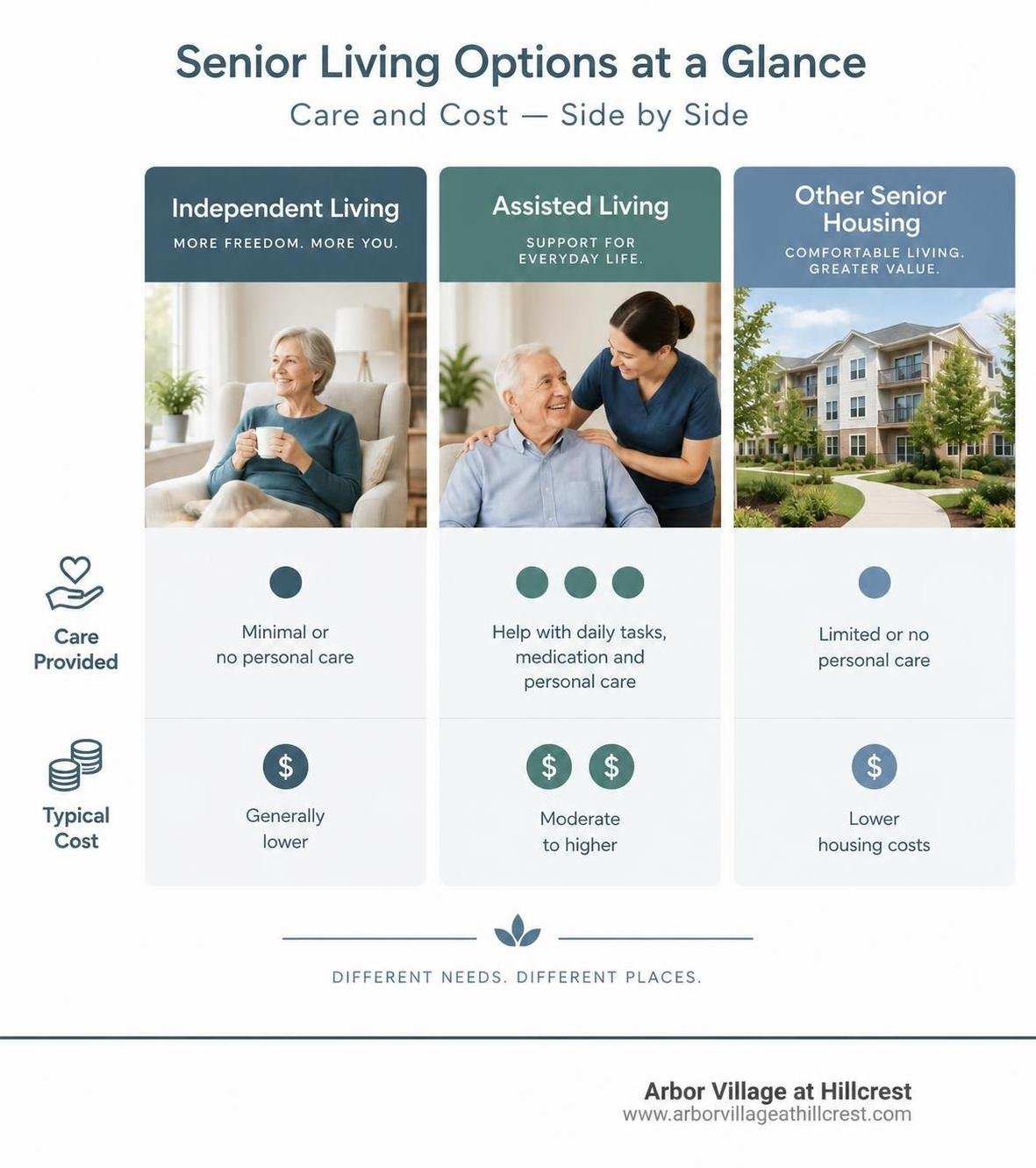
The primary dividing line between independent living and assisted living is the delivery of hands-on, daily personal care.
Independent living is designed for older adults who can manage their health, personal hygiene, and daily routines without staff intervention. These communities focus on hospitality, providing social calendars, restaurant-style meals, housekeeping, and local transportation.
In contrast, assisted living includes all those lifestyle perks while adding structured, professional support tailored to each individual. If you are currently unlocking better care and peace of mind in assisted living, you know that having trained staff on-site day and night changes everything for a family’s stress levels.
Feature Independent Living Assisted Living Primary Focus Lifestyle, convenience, and social connection Hospitality combined with daily personal care Personal Care (ADLs) Not provided by community staff Full assistance with bathing, dressing, hygiene Medication Management Self-managed Administered or supervised by staff Staffing Hospitality and administrative staff 24-hour on-site caregiving and nursing staff Meal Plans Optional or bundled daily meals Three daily chef-prepared meals included Apartment Style Full kitchens, private residences Private apartments with accessible kitchenettes Standalone Assisted Living Communities
Standalone assisted living communities focus their entire operation, staffing model, and architectural design on supporting residents who need daily personal care. Unlike large, multi-tiered campuses where assisted living might be tucked away in a distant wing, a dedicated community ensures that all staff members, activity coordinators, and wellness programs are aligned around supportive care.
In our community setting, this specialized focus allows us to provide intimate, attentive care where team members know each resident’s unique preferences, favorite morning routines, and specific wellness goals.
Types of Housing Models, Subsidies, and Eligibility Requirements
When searching for senior housing, you will encounter distinct financial models ranging from private-pay communities to government-subsidized programs. Understanding how these housing models operate ensures you find a setting that matches your financial plan.
According to state resources like the Division of Aging Services | Housing Options for Senior Citizens, senior housing encompasses a wide variety of regulatory structures, from congregate apartment housing to comprehensive personal care residences.
Market-Rate Assisted Living and Financial Assistance
Most modern assisted living communities operate on a market-rate rental model. Under this structure, residents pay a predictable monthly fee covering their apartment lease, building utilities, dining plans, community amenities, and basic care services.
When comparing affordability, ask each community which services are included in its monthly fee and whether public-benefit programs may help with eligible care costs.
Typical Eligibility Criteria for Adult Assisted Living Apartments
To ensure a community can safely meet an individual’s needs, residents complete an intake evaluation before moving in. Standard eligibility requirements include:
- Age Requirements: Most communities require residents to be at least 55 or 62 years of age.
- Functional Assessment: A wellness director or registered nurse evaluates the resident’s ability to handle ADLs to determine the right care tier.
- Medical Stability: Assisted living is designed for individuals whose medical conditions are predictable and manageable without hospital-level treatment.
- Cognitive Screening: Basic assessments verify whether standard assisted living or a setting with a higher level of support is the safer environment.
Floor Plans, Amenities, and Daily Services in Assisted Living
Moving into assisted living should feel like stepping into a private, comfortable home—not a clinical hospital room. Modern apartments are designed for accessibility, safety, and personal warmth.
Common Apartment Sizes and Layouts
Floor plans in assisted living typically range from efficient studios to spacious one- and two-bedroom layouts:
- Studio Apartments (approx. 300 to 450 sq. ft.): These open-concept suites provide an easy-to-navigate layout where the sleeping, living, and dining spaces are seamlessly connected, minimizing fall risks.
- One-Bedroom Apartments (approx. 500 to 650 sq. ft.): A popular choice that separates the living room from the private bedroom, providing ample space for personal furniture and visiting family.
- Two-Bedroom Apartments (approx. 700+ sq. ft.): Excellent for couples with differing care requirements or individuals who want a dedicated hobby room or study.
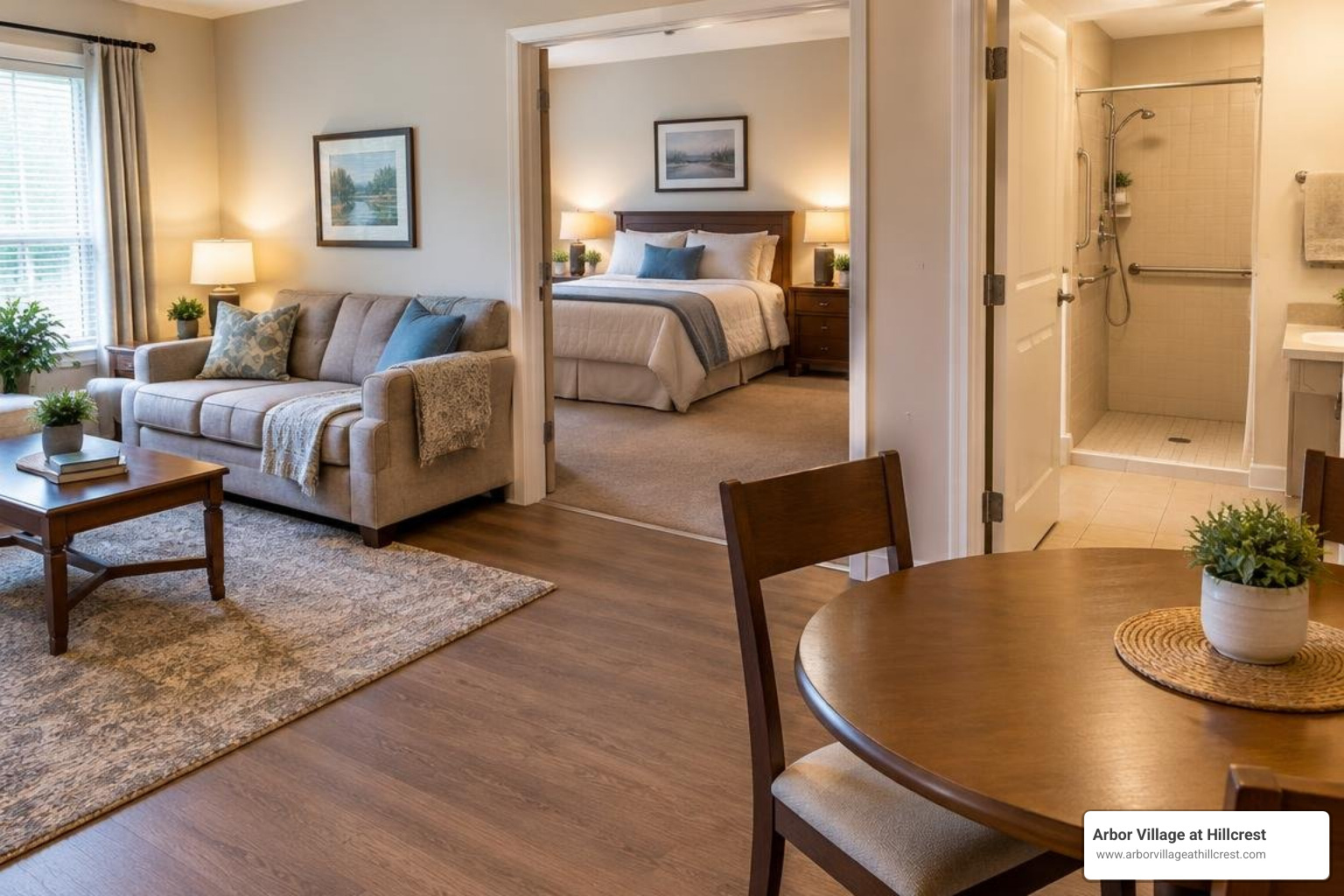
Each layout typically features a private, zero-threshold bathroom with grab bars, emergency pull cords, and an accessible kitchenette. Knowing what fits best makes everything you need to pack before moving into assisted living far easier to manage.
What Is Included in Monthly Care and Community Amenities
One of the greatest benefits of assisted living is having a single, all-inclusive monthly structure that handles household management:
- 24-Hour Attentive Support: Dedicated staff available around the clock for planned assistance or unexpected needs.
- Restaurant-Style Dining: Three chef-prepared, nutritionally balanced meals served daily in a social dining room setting.
- Housekeeping & Laundry: Weekly deep cleaning, trash removal, and fresh linens.
- Scheduled Transportation: Escorted rides to local medical visits, grocery stores, and community outings.
- Social Engagement: A full calendar of fun group activities for assisted living that residents will actually love, as well as vibrant assisted living weekend activities to keep the fun going all week long.
Pet Policies in Assisted Living Apartments for Adults
We know that a dog or cat isn’t just an animal—they are family. Fortunately, many quality assisted living communities maintain pet-friendly policies.
When reviewing communities, check their specific guidelines:
- Weight and Breed Limits: Many properties welcome dogs under 35 or 50 pounds, with standard restrictions on aggressive breeds.
- Care Independence: The resident must be able to manage daily feeding, walking, and grooming, or have a family member assist.
- Deposits: Communities usually require a nominal one-time pet fee or deposit.
Understanding what to expect when moving into assisted living with pets can help you transition smoothly with your four-legged companion.
Costs, Pricing Factors, and Financial Assistance Options
Assisted living pricing varies based on apartment size, geographic location, and the level of personalized care required.
Average Monthly Costs Across Different Regions
Assisted living costs reflect real estate values and local labor markets across the country:
- National Averages: Typical monthly rates generally range between $4,500 and $6,000 depending on the state.
- Regional Examples: Monthly costs can range from around $4,892 in Florida to upwards of $7,360 in metropolitan areas like Los Angeles. In Midwestern markets, rates often average between $4,650 and $5,850.
- Pricing Structures: Most communities charge a base rent for the apartment and hospitality services, plus a tiered care fee based on the resident’s specific ADL requirements.
For a deeper look into budgeting strategies, review the complete guide to assisted living benefits and costs.
Paying for Care: Medicaid Waivers, Veterans Benefits, and Subsidies
Families rarely pay for assisted living from a single checking account; they combine private assets and earned benefits:
- VA Aid and Attendance: A tax-free pension benefit available to qualifying wartime veterans and surviving spouses that provides significant monthly funds to help offset personal care costs.
- Long-Term Care Insurance: Private policies that pay out daily or monthly benefits once a policyholder requires assistance with two or more ADLs.
- Medicaid HCBS Waivers: For seniors who meet state financial asset and income limits, Medicaid waivers can help cover care services within participating communities.
How to Tour and Evaluate Communities for Your Loved One
Stepping inside a community in person is the most reliable way to gauge its atmosphere, staff warmth, and overall cleanliness.
Before you begin visits, bring along the ultimate assisted living checklist for evaluating options to keep your observations organized.
Essential Questions to Ask on Your Visit
During your tour, speak with both administrators and front-line caregivers. Be sure to explore key questions to ask with your checklist for assisted living facilities, such as:
- What is your direct caregiver-to-resident ratio during the day and overnight?
- How are care plans updated when a resident’s health needs change?
- What are the exact protocols for medication administration and pharmacy deliveries?
- Are your leases structured as long-term commitments or flexible agreements?
Key Quality and Safety Indicators to Inspect
Look beyond the fresh paint and floral arrangements. Pay attention to subtle quality markers:
- Staff Interactions: Do staff members greet residents by name with genuine smiles?
- Dining Experience: Stay for lunch. Is the food flavorful, fresh, and served warm?
- Building Safety: Are hallways free of clutter, well-lit, and equipped with continuous handrails and emergency pull stations?
- Lease Flexibility: Look for communities that offer flexible senior living and month-to-month assisted living options, giving your family freedom without restrictive multi-year contracts.
Frequently Asked Questions About Senior Housing
What is the typical minimum age requirement for senior apartments?
Most age-restricted senior communities set an entry age of 55 or 62 years old, aligning with federal housing guidelines. Assisted living communities commonly accommodate adults aged 62 and older, though younger adults with qualifying functional disabilities or chronic physical conditions may also be admitted based on state licensing rules.
How much help with activities of daily living is provided in assisted living?
Assisted living provides customized, hands-on support for core daily activities. This includes physical help with bathing, showering, choosing clothing, dressing, grooming, using the restroom, mobility transfers, and comprehensive medication management. Care plans are tailored so you only receive and pay for the assistance you actually need.
Can couples with different care needs share an apartment?
Yes. One of the greatest advantages of assisted living is that couples can continue living together even if one spouse is fully independent while the other requires advanced daily care. The community bills a base apartment rate (often with a second-occupant fee) and applies individual care packages specifically to the person who needs them.
Conclusion
Finding the right supportive living environment is about balancing safety, dignity, and personal lifestyle. When your parent has the right daily support in place, family relationships can return to being loving connections rather than stressful caregiving routines.
At Arbor Village at Hillcrest, we provide compassionate independent living, assisted living, and respite care in our beautifully renovated Boise, Idaho community. Our pet-friendly campus, vibrant daily activities, comfortable amenities, and attentive team create an environment where residents thrive with confidence.
Take the next step in your search—reach out today to explore quality assisted living apartments and schedule a personalized tour with our friendly team.




Ready to take the next step?
Schedule a Tour