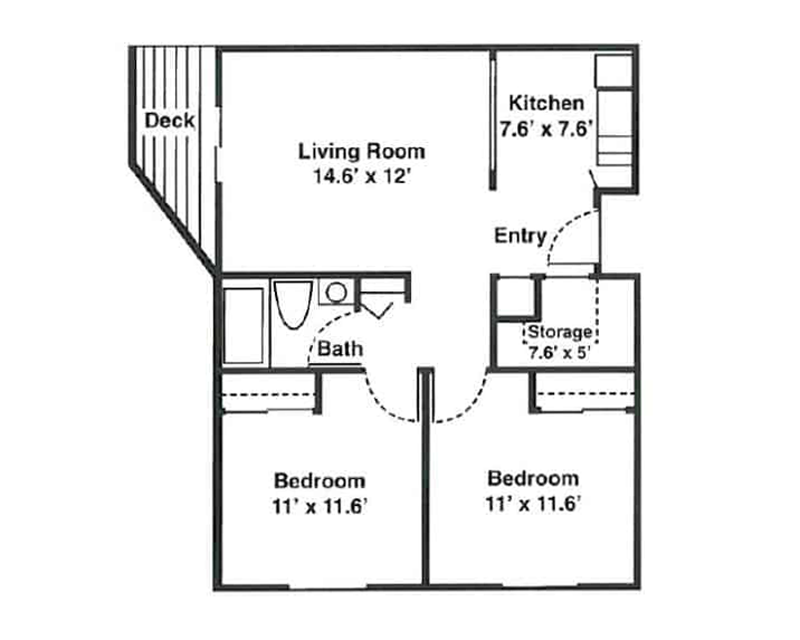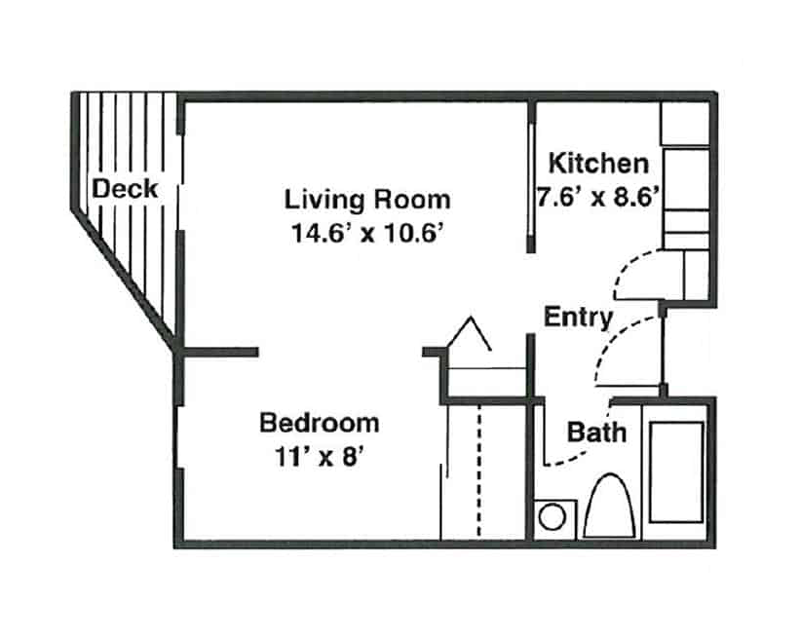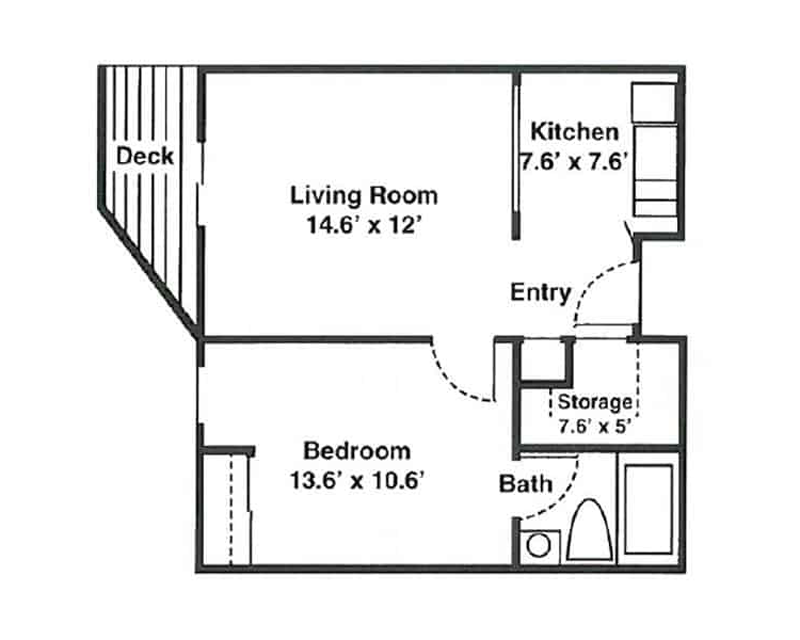
- Living Options
One Decision, Many Moving Parts: Why an Assisted Living Checklist Changes Everything
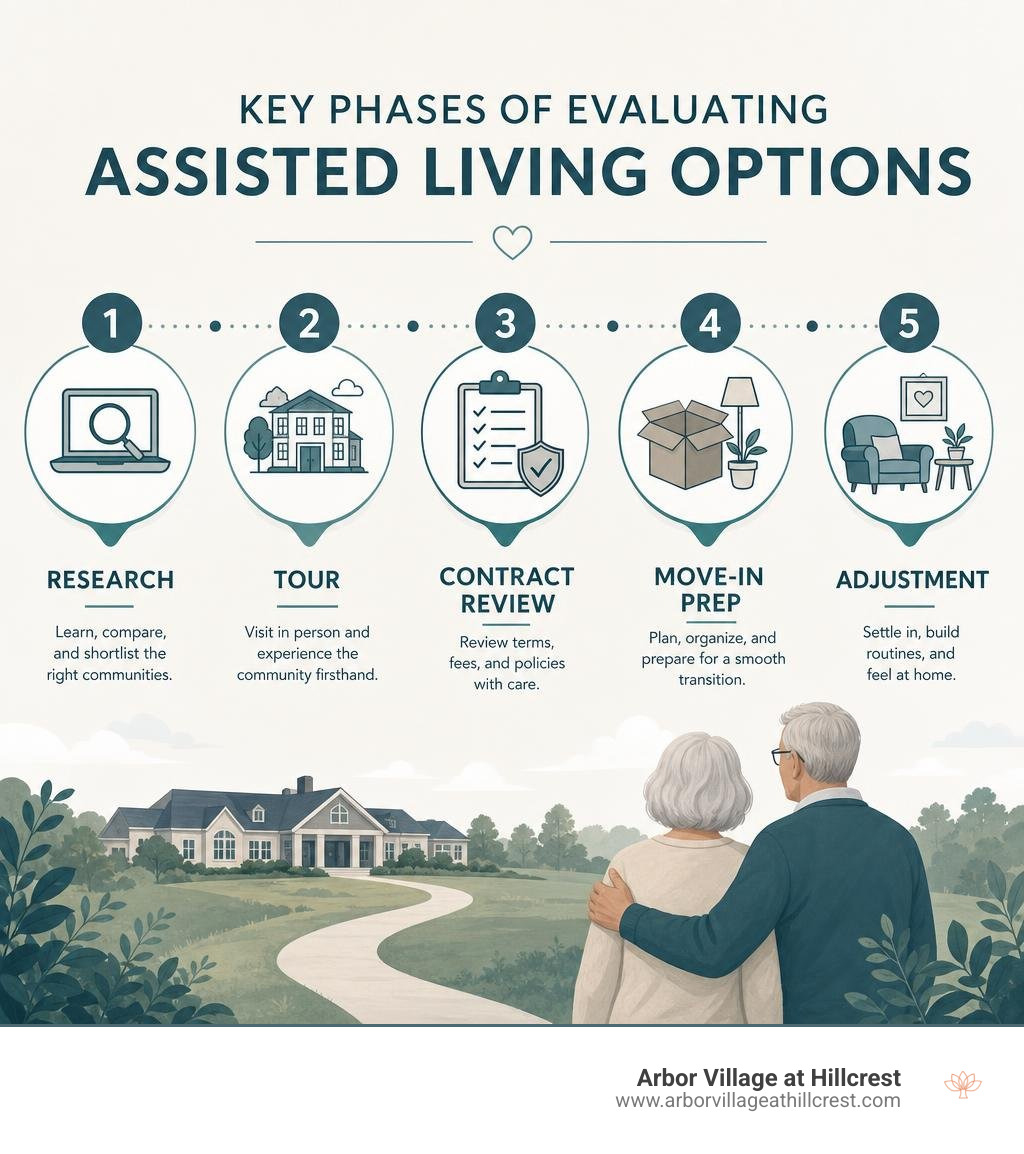
An assisted living checklist is the single most important tool you can bring to this process. Here is what a complete checklist covers:
| Phase | What to Check |
|---|---|
| Pre-Tour Research | State licensing, inspection reports, deficiency history |
| Facility Tour | Staffing ratios, turnover rate, cleanliness, safety features |
| Daily Life | Dining quality, activity calendars, pet policies, social programs |
| Contract Review | Base rates, hidden fees, bed-hold policies, eviction criteria |
| Move-In Prep | Downsizing timeline, prohibited items, required paperwork |
| First Weeks | Visit frequency, routine building, peer socialization |
Choosing an assisted living community for a parent is one of the most consequential decisions a family makes — and most people do it with very little preparation. As one senior care expert put it, touring an assisted living facility without a checklist is like buying a house without an inspection. You can walk away impressed by fresh flowers in the lobby and a friendly tour guide, while missing the details that actually predict whether your loved one will be safe, engaged, and well cared for.
The stakes are real. Research consistently shows that staffing quality and stability are the strongest predictor of care quality in any senior living setting. Yet most families spend more time researching a new refrigerator than they do evaluating a care facility.
This guide cuts through the noise and gives you a clear, structured path forward.
I’m Phillip King, a senior living industry veteran with decades of hands-on experience across assisted living, memory care, and independent living operations — and I’ve used an assisted living checklist framework in countless evaluations to help families and operators distinguish genuinely great communities from ones that just look good on a tour. The sections ahead walk you through every phase of this process, from your first Google search to your loved one’s first month settling in.
Pre-Tour Research and Initial Facility Screening
Before scheduling a single in-person tour, your evaluation starts online and over the phone. Doing 30 minutes of targeted research per facility saves hours of wasted trips and helps identify immediate dealbreakers.
In Idaho, state regulatory oversight gives families public access to inspection histories and compliance reports. Reviewing these state health department reports from the past 24 months offers an objective snapshot of operational health. You can review official regulatory oversight details on the Residential Assisted Living Facility Guidelines. If you are still determining whether care is necessary, reviewing these 11 signs it might be time for assisted living can help clarify your decision.
Evaluating State Licensing and Care Quality
When examining state inspection records, do not panic if you see a minor citation. Even top-tier communities occasionally receive minor technical notes. Instead, look for patterns across several areas:
- Repeat safety violations: Are there recurring issues with medication administration, wandering safety, or delayed response times?
- Licensing status: Is the community fully licensed, or operating under a conditional or provisional license due to corrective action?
- Recent citation volume: Multiple severe citations within the past two years indicate systemic operational strain.
Beyond government portals, examine 1-star and 2-star consumer reviews online. While individual complaints must be taken with a grain of salt, recurring themes regarding delayed call lights, cold meals, or high staff turnover often reflect daily realities.
Financial Screening and Understanding Care Costs
Financial transparency during your initial call prevents surprises later. Ask for a complete written fee schedule before setting foot on property. Assisted living communities typically structure costs using one of two models: all-inclusive pricing or tier-based care pricing (where base rent covers housing, while personal care assistance is billed in separate tiers based on care assessments).
Key questions to ask during initial screening include:
- What is the base monthly rate, and what specific utilities and services does it include?
- What are the pricing tiers for assistance with Activities of Daily Living (ADLs) like bathing and medication management?
- What is the community’s policy if a resident runs out of personal funds? Does the community accept Medicaid spend-down options after a certain period of private pay?
Understanding how fees scale as care needs evolve is critical. For a deeper breakdown of pricing components, see our guide on comparing senior apartment living costs and amenities.
The On-Site Tour Assisted Living Checklist

An on-site visit gives you a look at everyday life. When walking through a property, engage all your senses. Note the atmosphere: does the community smell clean and fresh, or do you notice chemical cover-ups or stale odors? Are residents out of their apartments, well-groomed, and interacting with staff?
Assessing Staffing Quality, Turnover, and Care Ratios
Staffing quality, quantity, and stability represent the single strongest predictor of care quality in assisted living. Facilities can have marble entryways and gourmet chef stations, but daily resident well-being comes down to direct-care aides and nurses.
When asking about staffing, push for specific numbers:
- Turnover Rate: Industry standards consider a staff turnover rate under 30% good, whereas a turnover rate exceeding 60% serves as a primary red flag for burnout and compromised care continuity.
- Ratios by Shift: Ask about staff-to-resident ratios during daytime, nighttime, and weekend hours. Nighttime coverage often drops significantly, so verify how emergency calls are handled at 3:00 AM.
- Nurse Availability: Confirm whether licensed nurses (LPN/RN) are on-site 24/7 or merely on call during off-hours.
Observe how staff members interact with each other and with residents. Do caregivers address seniors warmly by name? Are workers courteous to visitors but curt with colleagues? Internal staff courtesy signals a healthy work culture where care flourishes. For a structured touring guide, you can download this Senior Living Touring Checklist.
Questions to Ask About Daily Life, Dining, and Amenities
During the tour, request to sample a meal in the dining hall and review the past 30 days of actual activity calendars—not just generic promotional brochures.
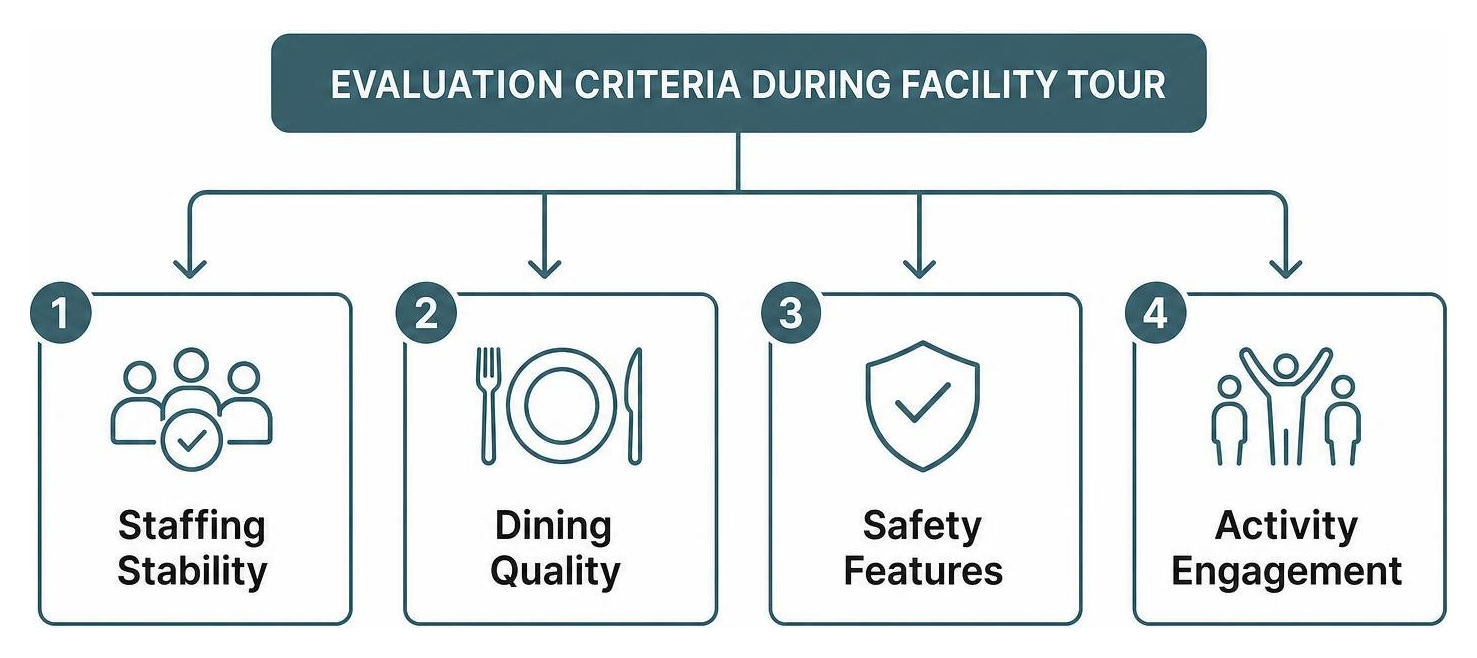
Use this assisted living checklist during your tour to cover key operational details:
- Dining & Nutrition: Are menus routinely reviewed by a registered dietitian? How are special diets accommodated? Are flexible dining hours offered?
- Activities & Engagement: Are activities diverse (spiritual, social, physical, cognitive), or limited to passive TV viewing? Are outings organized regularly?
- Living Units & Safety: Do bathrooms feature low-threshold showers, grab bars, and accessible emergency call buttons? Are doorways wide enough for walkers and wheelchairs?
- Pet Policy: Are personal pets welcome? What support services (if any) exist for pet care?
For more advice on evaluating community visits, read our guide to asking the right questions on senior living tours and review what assisted living provides.
Contract Evaluation and Financial Red Flags
Before signing a residency agreement, review every clause carefully. Having an elder law attorney review the contract is a smart step to safeguard your rights.
| Contract Feature | What to Look For | Red Flag Warning |
|---|---|---|
| Rate Increase Rules | Clear annual caps and written notice periods (30–60 days) | Uncapped fee hikes allowed at any time without notice |
| Level-of-Care Assessments | Transparent care point systems and regular reassessments | Unclear criteria triggering sudden, mandatory fee jumps |
| Bed-Hold Policies | Stated daily/monthly rates to hold unit during hospital stays | Automatic eviction or full rent charges without care credits |
| Discharge Criteria | Clear health conditions that necessitate higher care levels | Vague eviction terms allowing immediate discharge |
| Legal Rights | Standard dispute resolution mechanisms | Mandatory binding arbitration waiving all legal recourse |
Pay special attention to financial protection policies. If a resident is hospitalized for two weeks, does the contract grant service credit adjustments for unused meals and care? How are security deposits refunded? You can reference the standard AHCA/NCAL Consumer Checklist to ensure no financial or operational clause is missed.
Preparation and Downsizing Strategy Timeline
Once a community is selected, moving logistics begin. The average assisted living apartment holds roughly 25% to 40% of what fits in a standard 2,000-square-foot single-family house. Trying to tackle downsizing in a few days creates immense stress.
Starting an 8-week structured timeline makes the process manageable:
If you are evaluating timing, see our resource on when to transition to assisted living and check out our community layouts by viewing community floor plans.
Customizing Your Assisted Living Checklist for Mobility and Care Needs
Tailor your packing and preparation checklist around your loved one’s specific physical and cognitive needs:
- Mobility Considerations: Ensure all furniture pieces allow clear walking paths (at least 36 inches wide) for walkers or wheelchairs. Avoid chairs on casters or wheels, as well as low-slung sofas that are difficult to stand up from.
- Cognitive & Memory Support: For seniors experiencing memory impairment, consistency is paramount. Set up familiar lamps, nightstands, and family photos in exact visual locations similar to their previous bedroom. Placing a small “memory box” outside their apartment door filled with familiar personal mementos serves as a wayfinding cue to help them identify their room.
Understanding your loved one’s specific care tier helps ensure you bring appropriate equipment. Learn more about levels of care in assisted living and verify eligibility criteria with our guide on who qualifies for assisted living.
Packing Guide: What to Bring vs. Prohibited Items

Overpacking is the most common mistake families make. Focus on items that foster comfort, safety, and emotional continuity.
What to Bring:
- Clothing: Two weeks’ worth of comfortable, easy-to-wear clothing (elastic waistbands, slip-on shoes with non-skid soles) to allow smooth laundry turnarounds.
- Furniture: A comfortable bed, nightstand, favorite armchair, dresser, and small reading lamp.
- Personal Touches: Framed family photographs, favorite blankets, small art pieces, and familiar toiletries.
- Electronics: TV, simplified remote control, tablet, family photos, and phone chargers.
What to Leave Behind (And Prohibited Items):
- Fall Hazards: Throw rugs, area rugs, extension cords across walkways, and furniture with sharp edges.
- Restricted Appliances: Space heaters, hot plates, toasters, candles, and heating pads (most communities restrict open heating elements due to state safety regulations).
- Valuables: Irreplaceable heirloom jewelry, large amounts of cash, or fragile glass collections.
Move-In Day and First-Month Transition Strategies
Move-in day can trigger emotional overload. Having a execution strategy helps keep the atmosphere calm and grounded.
- Arrive early in the morning so staff can welcome your loved one and introduce them during lunchtime.
- Set up the apartment completely before your loved one arrives if possible, hanging familiar wall decor and making the bed with their favorite sheets.
- Keep conversation positive and reassuring, focusing on immediate comfort rather than long-term logistics.
- Introduce yourself and your parent to primary direct-care aides working the shift.
- Leave an essential “first-night” emergency bag easily accessible in the room.
Moving Day Assisted Living Checklist: First-Night Bag and Paperwork
Do not pack critical items into moving boxes loaded on a truck. Prepare a dedicated “first-night bag” that stays in the car with you:
- Medical & Legal Documents: Recent health physical (completed within 30 days), TB test results, list of current prescriptions, insurance cards, power of attorney (POA) documents, and signed residency agreements.
- Daily Essentials: Essential medications in original pharmacy bottles, eyeglasses, hearing aids with extra batteries, phone chargers, and dentures.
- Personal Items: Two changes of comfortable clothing, pajamas, favorite toiletries, eye mask, slippers, and a familiar pillow.
Helping Your Loved One Adjust in the First Few Weeks
The adjustment period usually lasts between two to six weeks. Family members often feel inclined to visit for hours every single day, but senior care experts recommend a balanced approach. Spacing out initial visits allows your parent to build daily routines, interact with peers, and form bonds with care staff.
Encourage them to attend meal times in the main dining room and participate in low-pressure activities like music hours or afternoon socials. For a complete look at how daily care schedules function, read our breakdown on how assisted living works.
Frequently Asked Questions About Assisted Living Evaluation
How far in advance should we start downsizing for an assisted living move?
Starting eight weeks prior to move-in is ideal. An 8-week window allows you to tackle downsizing room by room without feeling rushed. Four weeks is workable but tight, while attempting to downsize in under two weeks often forces families to throw away or donate items haphazardly, increasing emotional stress for the senior.
What is considered an acceptable staff turnover rate in assisted living facilities?
In senior living, a staff turnover rate under 30% is considered strong and reflects high workplace stability. Conversely, a turnover rate exceeding 60% serves as a primary red flag, indicating frequent staffing shortages, reliance on temporary agency workers, and inconsistent daily care quality.
What essential items belong in a resident’s first-night bag?
A first-night bag should contain immediate daily necessities: all original prescription medications, eyeglasses, hearing aids, phone chargers, two changes of clothes, pajamas, basic toiletries, bedding or a favorite pillow, and vital legal/medical paperwork (Power of Attorney, signed residency agreement, and TB test results).
Conclusion
Finding the right assisted living community comes down to thorough preparation, direct observation, and asking the right questions. By using a structured assisted living checklist, you replace anxiety with clarity and ensure your loved one’s health, dignity, and lifestyle are protected.
At Arbor Village at Hillcrest in Boise, Idaho, we pride ourselves on providing a warm, pet-friendly environment with robust social activities, comfortable living spaces, and an attentive care team dedicated to honoring every resident’s individuality. If you are exploring options for yourself or a loved one in the Boise area, we invite you to reach out and explore quality Boise senior care services today.
Related Posts
- Why Moving to Boise Idaho Delivers the Perfect Lifestyle Upgrade

Discover what the Boise Idaho Niche report card reveals about quality of life, real estate, safety, and top neighborhoods for your perfect lifestyle upgrade.
- Hit the Road with the Best Senior Day Trips Near Boise

Discover scenic, cultural, and indoor senior living day trips Boise with low-impact outings, discounts, and accessible amenities.
- Smart Senior Living: What to Consider Before Signing

Learn how to find the best assisted living facility with this guide on costs, tours, contracts, and care planning.
Recent Posts
 Why Moving to Boise Idaho Delivers the Perfect Lifestyle Upgrade
Boise, Idaho Niche: A Strong Lifestyle Match With Important Trade-Offs
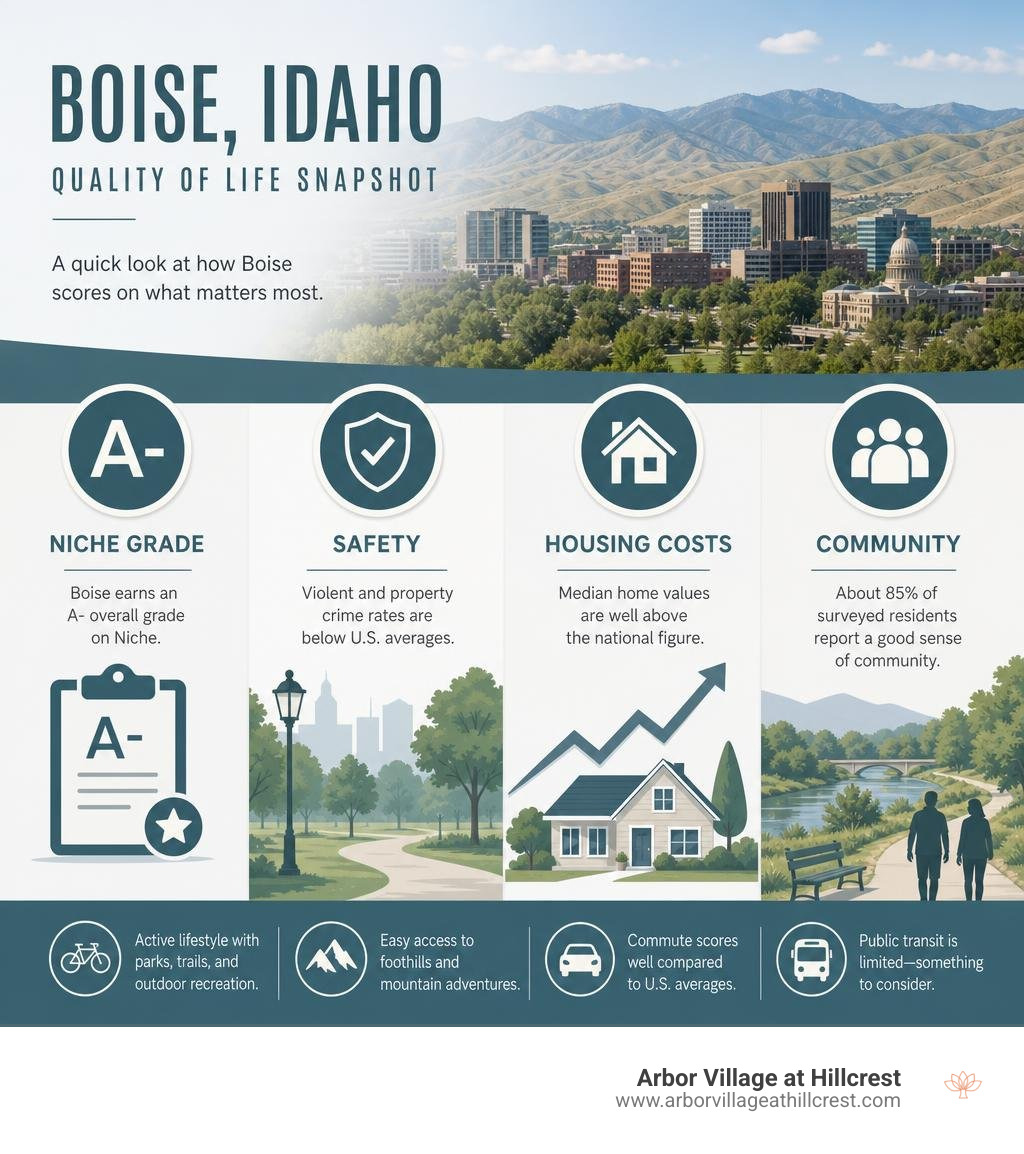
Boise earns an A- overall grade on Niche, making it a strong choice for older adults and families who value safety, community, health, and easy access to the outdoors. The city ranks #12 among the Best Places to Live in Idaho, while its public schools, outdoor activities, health and fitness options, and commute receive especially strong marks.
For adult children helping a parent consider a move, Boise’s appeal is clear:
- Safer-than-average: Violent and property crime rates are below U.S. averages.
- Active lifestyle: The Boise River Greenbelt, foothill trails, parks, and nearby mountain recreation support everyday movement.
- Connected community: About 85% of surveyed residents report a good sense of community.
- Housing pressure: Median home values are well above the national figure, so affordability deserves close attention.
Boise offers a useful blend of city services and a calmer, more residential feel. Still, rapid growth has brought higher housing costs, more traffic, and limited public transit – practical issues to weigh when choosing a neighborhood or senior living setting.
I am Phillip King, an executive leader with decades of experience across senior living operations, occupancy, resident experience, and financial performance. In reviewing Boise Idaho Niche data, I focus on what quality-of-life scores mean in real terms for older adults and the families supporting them.
Boise idaho niche vocab to learn:
What the Boise Idaho Niche Report Card Reveals About Quality of Life
When you look at the broad spectrum of data compiled by Boise, ID – Niche, the picture that emerges is one of balanced, active livability. Boise provides a dense suburban feel across Ada County, blending clean municipal infrastructure with immediate connections to the scenic beauty of southwestern Idaho.
The city scores exceptionally well in core daily living categories. It earns straight A ratings in Outdoor Activities, Health & Fitness, and Commute, backed by an A- in Public Schools. These scores reflect a municipality designed around personal wellness and outdoor mobility. Whether you are walking along tree-lined boulevards, commuting downtown in under 20 minutes, or cycling along riverside pathways, the physical environment encourages an active, healthy routine.
However, the report card also highlights areas that require careful planning. Boise receives a C+ in Housing and a C- in Cost of Living. The influx of new residents over the past decade has pushed home values higher, meaning prospective movers must balance Boise’s undeniable lifestyle perks against current real estate dynamics.
Evaluating the Boise Idaho Niche Livability Scores and National Rankings
National recognition for Idaho’s capital continues to climb. According to the 2026 Boise, ID Rankings – Niche, the city holds impressive standings across competitive national and statewide benchmarks:
- #12 in Best Places to Live in Idaho
- #51 of 229 in Cities with the Best Public Schools in America
- #53 of 230 in Healthiest Places to Live in America
- #80 of 229 in Best Cities to Live in America
- #18 of 69 in Best Places to Retire in Idaho
- #85 of 229 in Best Cities to Retire in America
Beyond the competitive numerical standings, resident sentiment remains overwhelmingly positive. In community surveys, 85% of residents report a strong sense of community, with 54% to 56% characterizing their neighbors as genuinely friendly. This welcoming social fabric is a primary reason why families and seniors choose to establish long-term roots here.
Public Safety and Crime Statistics
Safety is often the primary concern when evaluating a relocation for yourself or an aging parent. Boise stands out nationally as a secure metropolitan area, with crime figures well below United States benchmarks across nearly every metric tracked by the FBI and local law enforcement.

The table below illustrates how Boise’s annual crime rates per 100,000 residents compare against national averages:
Crime Category Boise Rate (per 100,000) National Average (per 100,000) Assault 177.7 282.7 Murder 2.1 6.1 Robbery 21.9 135.5 Burglary 131.7 500.1 Theft 971.9 2,042.8 Motor Vehicle Theft 138.8 284.0 Visible community policing, active neighborhood associations, and well-maintained public parks contribute to theft and burglary rates that are less than half the national standard. This high baseline of safety provides incredible peace of mind for evening walks, downtown dining, and independent living.
Real Estate Market and Cost of Living in Boise

Understanding the local property landscape is essential for anyone considering a move. Boise’s real estate market has matured rapidly from an overlooked regional pocket into a competitive housing market. Before finalizing plans, reviewing An Essential Guide to Boise ID Key Information Insights helps establish a baseline for navigating the area’s practical daily costs.
The city maintains a 63% homeownership rate, with 37% of the population renting. The median home value currently stands at $456,000 (with newer district averages reaching between $484,800 and $493,319), compared to the national median of $303,400 to $332,700. For renters, the median monthly rent ranges from $1,359 to $1,446, aligning closely with the national median of $1,348 to $1,413.
Housing Trends and Neighborhood Affordability
A closer look at the Boise Real Estate Market – Niche shows that property values are concentrated in mid-to-upper price brackets.
- $400,000 – $749,000: 52% of homes
- $200,000 – $399,000: 23% of homes
- $750,000 and above: 18% of homes
- Under $200,000: 7% of homes
Despite elevated purchase prices relative to national baselines, resident polls reveal that 53% of local residents still consider Boise housing affordable relative to regional wages and quality of life. Furthermore, 70% of residents rate the interior and exterior quality of Boise homes as good or excellent, reflecting high construction standards, established tree canopies, and well-kept suburban properties.
Demographic Profile and Economic Strength
Boise’s local economy provides a stable foundation for working professionals and retirees alike. According to Boise Demographics and Statistics – Niche, the city is home to a population of approximately 235,701 to 237,242 residents.
The local economy boasts an exceptionally low unemployment rate of 2.5% to 2.6% and a poverty rate of 10.6%. The median household income sits at $81,308 to $83,904, comfortably outperforming the national median of $78,538 to $80,734.
Educational attainment across the city is high:
- 30% hold a Bachelor’s degree
- 18% hold a Master’s degree or higher
- 28% have completed some college or earned an Associate’s degree
Boise also features an established senior demographic, with 15% to 16% of the population aged 65 and older. This creates a vibrant intergenerational community where older adults enjoy dedicated wellness programs, active community centers, and specialized healthcare networks.
Top-Rated Neighborhoods and Education Options in the Treasure Valley
Finding the right part of town depends on whether you value historic architecture, foothill trail access, or proximity to local dining. To pinpoint specific locations across Ada County, explore our breakdown of Boise Zip Codes Find Your Way Around Idahos Capital.
Several standout neighborhoods define the Boise experience:
- North End (Grade A+): Known for historic Craftsman bungalows, the vibrant Hyde Park retail strip, and immediate access to the Boise Foothills trail system.
- Boise Heights (Grade A): Elevated living featuring panoramic views of the Treasure Valley, large lot sizes, and quiet residential streets.
- Sunset (Grade A): A charming, family-friendly pocket offering convenient access to local parks, downtown, and Veterans Memorial Parkway.
- Depot Branch (Grade A-): Centered around the historic Boise Depot, this neighborhood earns an A+ in Nightlife and A in Outdoor Activities, ranking #5 among Best Neighborhoods for Young Professionals in Boise. It boasts a median home value of $446,701 and a 67% homeownership rate.
Navigating Neighborhood Profiles Using Boise Idaho Niche Insights
Neighborhood grading on Niche takes into account everyday livability factors such as walkability, park access, crime frequency, and local commute times.
While neighborhoods like North End and Depot Branch offer walkable access to coffee shops, local bistros, and urban parks, outer suburban neighborhoods deliver larger floor plans, newer construction, and quiet cul-de-sacs. Whether evaluating an area for a young family or a senior looking to downsize near medical providers, the diversity of Boise’s micro-neighborhoods accommodates a wide range of lifestyle priorities.
Public, Charter, and Private School Excellence
The region is widely recognized for its robust educational ecosystem. The Boise School District – Idaho – Niche holds an overall grade of A-, serving over 22,000 students with a favorable 16:1 student-teacher ratio, an 83% graduation rate, and an average SAT score of 1210.
Key educational benchmarks include:
- Top Elementary Schools: Ada County’s top public elementary performers include Collister Elementary School, Highlands Elementary, and Roosevelt Elementary—with half of the county’s top 10 elementary schools located within Boise.
- Top Public High Schools: Renaissance High School (Grade A+), Meridian Medical Arts Charter School (Grade A+), and Boise Senior High School (Grade A) lead regional academic rankings.
- Charter Leadership: North Star Charter School holds an overall A grade (A+ for Teachers), ranking as the top K-12 public charter institution in Ada County.
- Premier Private Options: Riverstone International School ranks as the #1 private school in Boise (Grade A+). Situated on a 14-acre campus, it offers an International Baccalaureate (IB) curriculum from preschool through 12th grade, where 100% of graduates gain acceptance to top four-year colleges.
Weighing the Pros and Cons of Relocating to Boise
Examining resident feedback on Boise, ID Reviews – Niche (where the city maintains a stellar 4.4 out of 5-star rating across nearly 700 reviews) reveals clear lifestyle advantages alongside practical growth considerations.
Key Lifestyle Advantages
- Four-Season Outdoor Recreation: Residents enjoy floating the Boise River in the summer, hiking the Ridge to Rivers foothill trail system in the spring and fall, and skiing at Bogus Basin Mountain Recreation Area just 23 miles from downtown during the winter.
- The Boise River Greenbelt: A 25-mile paved pathway weaving through the heart of the city, connecting scenic riverside parks, Boise State University, and downtown dining.
- Vibrant Cultural & Culinary Scene: Boise features thriving craft breweries, local farm-to-table dining, the Basque Block, and community venues like JUMP (Jack’s Urban Meeting Place).
- Collegiate Spirit: The community gathers around Boise State Broncos athletics, famously cheering on the blue turf at Albertsons Stadium.
- Welcoming Atmosphere: Newcomers regularly note the clean public spaces, well-maintained parks, and neighborly culture.
Growth Challenges and Relocation Considerations
- Housing Cost Pressures: Home values have risen significantly, requiring careful budgeting for buyers moving from lower-cost regions.
- Transit Limitations: Public transportation options like Valley Regional Transit buses are limited, making personal vehicle ownership standard for daily commuting.
- Traffic Congestion: Influx across Ada County has extended commute times along major arterial routes like Interstate 84 and Eagle Road during peak hours.
- Administrative Adjustments: If you are managing relocation paperwork, address changes, or legal filings, refer to The Quick Guide to Writing the Boise Idaho Abbreviation Correctly to ensure smooth processing across municipal and postal forms.
Frequently Asked Questions About Living in Boise
What is the overall Niche grade for Boise, Idaho?
Boise holds an overall Niche grade of A-. The city earns standout A grades in Outdoor Activities, Health & Fitness, and Commute times, an A- in Public Schools, balanced against lower grades in Housing (C+) and Cost of Living (C-). It ranks #12 among the Best Places to Live in Idaho and #53 in Healthiest Places to Live in America.
Is Boise, Idaho a safe place to live and raise a family?
Yes, Boise is statistically safer than most U.S. cities of comparable size. Its violent crime rate for assault (177.7 per 100k) is significantly lower than the national average (282.7 per 100k), and its theft rate (971.9 per 100k) is less than half the national benchmark (2,042.8 per 100k).
How does the cost of living in Boise compare to the national average?
Boise’s cost of living is slightly higher than the national baseline, primarily driven by real estate. The median home value in Boise is approximately $456,000 (compared to the $303,400 national median). However, median rental rates ($1,359 to $1,446) track closely with national figures, and median household incomes ($81,308 to $83,904) remain higher than national averages.
Conclusion
Boise, Idaho delivers a compelling lifestyle upgrade that balances outdoor recreation, clean neighborhoods, high-performing schools, and low crime rates. While the cost of housing has increased alongside the city’s popularity, the strong sense of community, thriving economy, and active four-season environment make it an exceptional destination for families, working professionals, and seniors alike.
At Arbor Village at Hillcrest, we understand how important finding the right community is when planning a lifestyle transition. Our beautifully renovated, pet-friendly senior living community provides independent living, supportive assisted living in Boise Idaho, and respite care. With robust daily activities, attentive staff, and on-site amenities, we make it easy for older adults to experience the very best quality of life Idaho’s capital has to offer.
 Hit the Road with the Best Senior Day Trips Near Boise
Scenic and Low-Impact Outdoor Activities for Seniors
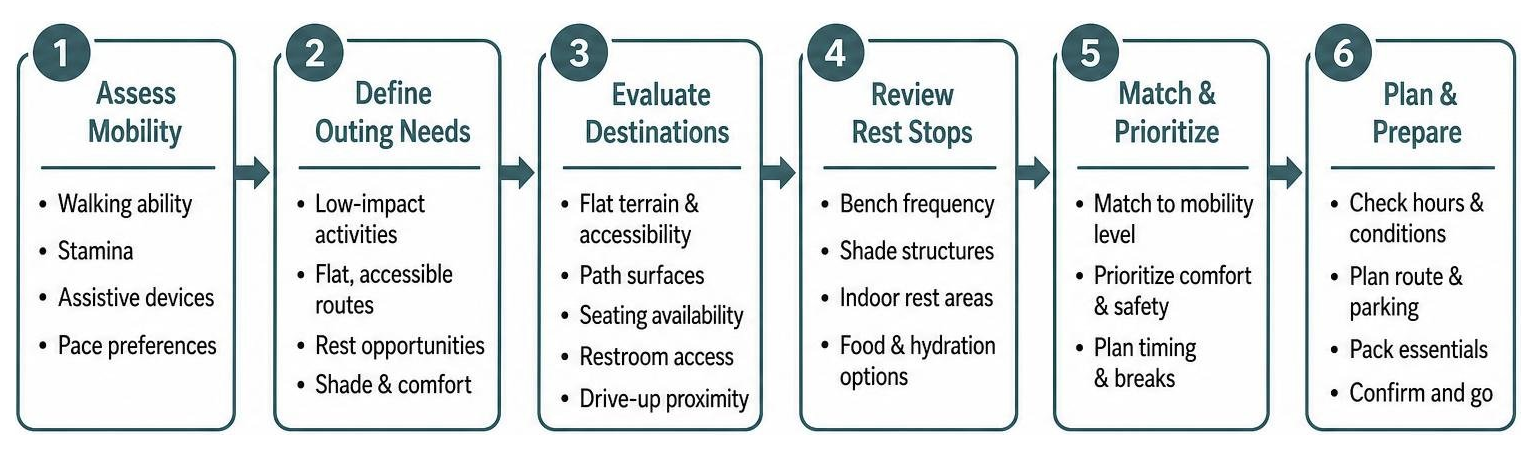
When planning outdoor excursions for older adults, finding destinations that offer natural beauty without requiring strenuous physical exertion is essential. The Treasure Valley is packed with scenic spots designed for visitors who prefer a relaxed pace, flat terrain, and frequent rest areas.
Idaho Botanical Garden
Located right next to the historic Old Idaho Penitentiary, the Idaho Botanical Garden offers beautifully manicured displays with gentle, easy-to-navigate paths. Seniors can stroll through native Idaho flora, rose gardens, and shade structures at their leisure. Benches are generously placed throughout the grounds, providing continuous opportunities to sit, catch your breath, and take in the view.
Zoo Boise and Julia Davis Park
Situated within Julia Davis Park, Zoo Boise features a compact footprint. Unlike massive regional zoos that require miles of walking, Zoo Boise is manageable in size, making it large enough to feel like an adventure while remaining accessible for older adults. After visiting the animals, taking a short stroll along the Boise River Greenbelt section near the park offers flat, paved surfaces with views of ducks, trees, and the river.
Eagle Island State Park
For a tranquil picnic outing, Treasure Valley Outings at Eagle Island State Park offer smooth, level walking paths and vast open spaces. It requires no major physical commitment—you can park close to covered shelters, set up a comfortable camp chair, and enjoy a peaceful afternoon by the water.
Bogus Basin
If you want breathtaking mountain scenery without any hiking, take the drive up to Bogus Basin. During the summer months, seniors can ride the scenic chairlift to enjoy sweeping views of the surrounding ranges and cooler mountain temperatures. It is an ideal outing for enjoying Idaho’s high country entirely at your own comfort level.
Cultural, Historic, and Culinary Senior Living Day Trips Boise Area
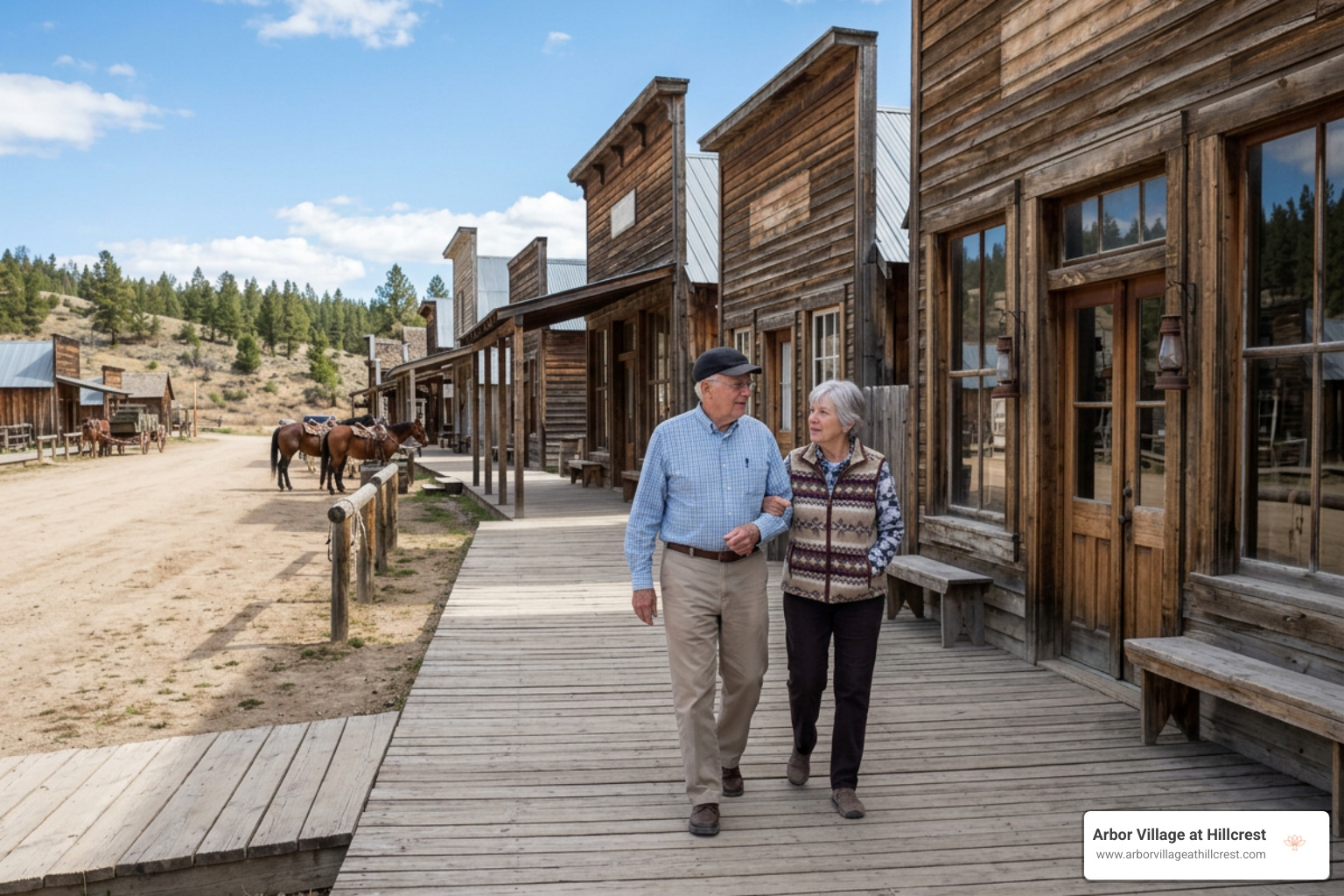
For seniors who prefer learning about local heritage or sampling region-specific dishes, the Boise region provides several rich cultural and culinary day trips requiring minimal physical exertion.
Idaho City Historic District
Take a step back into Idaho’s gold rush history with a visit to Idaho City, located just an hour northeast of Boise. The Idaho City Historic District Walking Tour is a relaxed, 1-hour experience that covers local history along flat boardwalks and historic sites. At just $7 per ticket, it offers an affordable and highly engaging window into the 1860s.
Local Food Walks and Farmer’s Markets
If culinary exploration is on the menu, downtown Boise offers several structured, low-impact walking tours focused on food and beverage:
- BoDo Savor & Sip Foodie Walk: A 2- to 3-hour guided stroll through downtown’s BoDo district, featuring small-plate tastings with short walks between stops.
- Boise River Urban Wine Walk: A relaxed sip-and-stroll tour visiting urban tasting rooms along flat, paved downtown streets.
- Boise Farmers’ Market: Held on Saturdays, this market provides a vibrant, low-key environment where seniors can sample fresh local baked goods, fruits, and artisanal crafts without long walking distances.
Many of these guided cultural and foodie walks can be booked via specialized operators like Cool Destinations, offering structured schedules and modest physical demands. For more regional travel ideas, explore these Senior Idaho Activities.
Weather-Friendly Indoor Destinations in the Treasure Valley

When summer heat climbs or winter air settles into the valley, having reliable, climate-controlled indoor destinations ensures outings do not have to be canceled.
Discovery Center of Idaho
Located near Julia Davis Park, the Discovery Center of Idaho is an outstanding indoor destination. Featuring interactive, hands-on exhibits focused on science, technology, engineering, and art, it offers flat floor plans, comfortable seating, and wide pathways that easily accommodate wheelchairs and walkers. It is equally engaging for independent seniors and visiting grandchildren.
The Village at Meridian
For a multi-faceted outing, The Village at Meridian combines indoor and outdoor amenities seamlessly. Older adults can watch the synchronized fountain shows from shaded outdoor benches, or head inside for dining and entertainment. Venues like Big Al’s offer accessible indoor bowling, arcade games, and comfortable restaurant seating. The Village also features clean, easily accessible restrooms and ample designated handicap parking close to main store entrances.
For more structured indoor activities and community outings, check out local municipal resources like the City of Boise Leisure Programs.
Guided Tours, Senior Discounts, and Smart Excursion Planning
To help you compare the top senior living day trips Boise options at a glance, we have summarized key details below:
Destination / Tour Ideal Mobility Level Average Duration Key Accessibility Features Idaho Botanical Garden Easy to Moderate 1.5 – 2 Hours Flat paved/gravel paths, frequent benches, shade Zoo Boise & Greenbelt Easy 2 Hours Fully paved, level walking, wheelchair rentals Shoshone Falls Guided Tour Easy (Transport Provided) 4 Hours (Half-Day) Hotel pickup, scenic viewing platforms, minimal walking Idaho City Historic Tour Moderate 1 Hour Boardwalks, low cost ($7), historical guide Discovery Center of Idaho Easy 1.5 – 2 Hours Fully indoor, ADA accessible, climate controlled The Village at Meridian Easy Flexible (1–3 Hours) Paved plaza, extensive seating, accessible restrooms 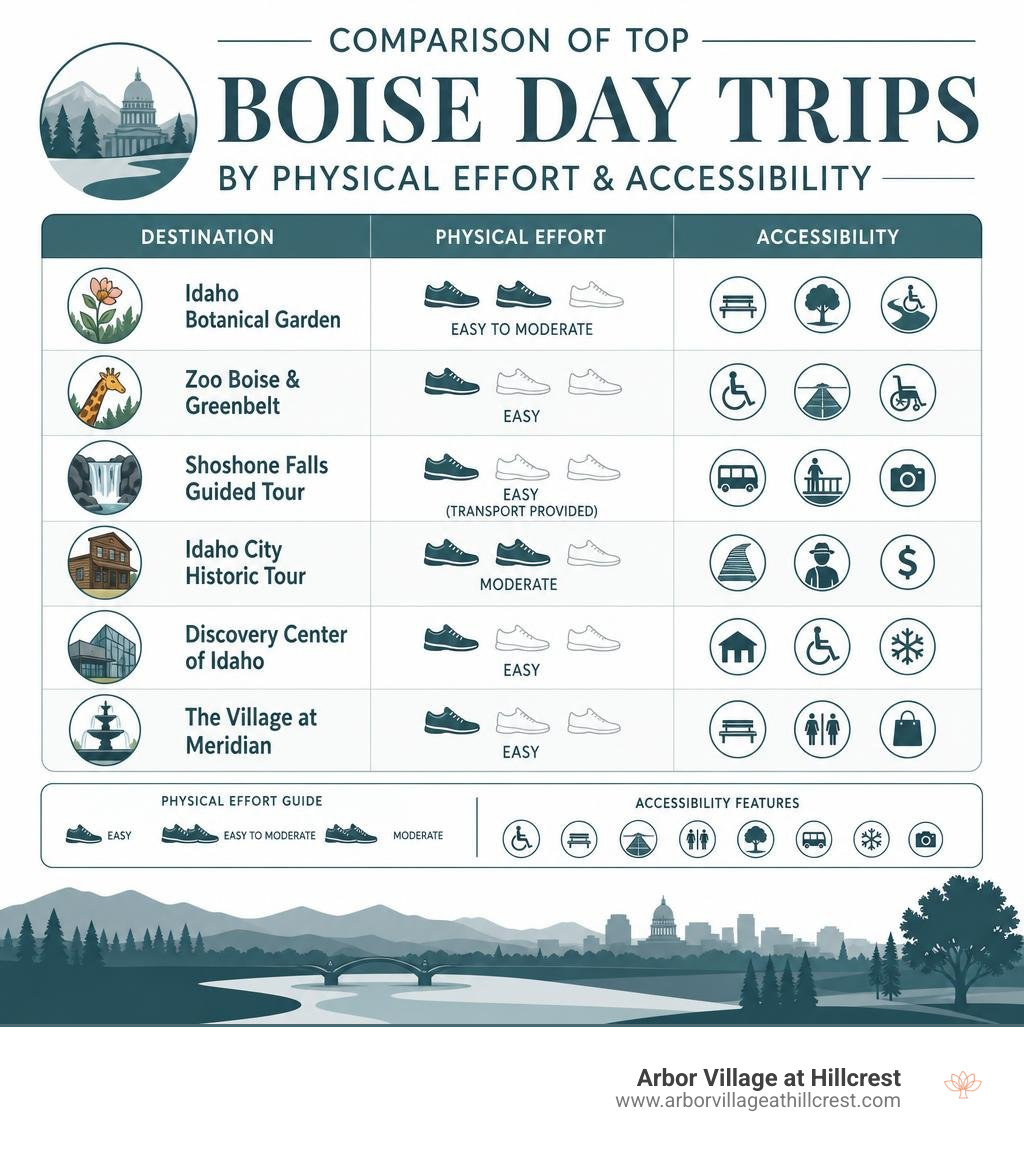
Saving Money with the WISDOM Promo Code
When reserving guided excursions through booking portals such as Cool Destinations, older adults can take advantage of practical savings. Using the promo code WISDOM grants a 10% discount on various Idaho tours and experiences.
For example, the Guided Half-Day Tour to Shoshone Falls & City Tour is a popular 4-hour option that incorporates a city overview with a scenic visit to the “Niagara of the West.” This guided excursion offers direct hotel pickup, flexible scheduling, and free cancellation policies—taking the stress out of navigation and parking while saving money.
Multi-Generational Senior Living Day Trips Boise Families Recommend
When planning an outing that involves multiple generations—such as grandparents, adult children, and grandchildren—the key to success lies in choosing balanced locations:
- Pacing: Keep active walking segments under 45 minutes before scheduling a sit-down break.
- Snacks & Hydration: Bring water and simple snacks to maintain energy levels between meals.
- Restroom Proximity: Pick locations like Julia Davis Park or The Village at Meridian where clean facilities are never far away.
- Visual Memories: Bring a camera or smartphone to capture group moments against scenic backdrops. Take a look at our community gallery to see how our residents enjoy social outings together, or read our senior lifestyle blog for more localized event tips.
Relaxed Senior Living Day Trips Boise Transportation and Comfort Tips
Executing a smooth day trip comes down to practical preparation:
- Vehicle Accessibility: Ensure the travel vehicle has comfortable seating heights and enough trunk space for folding walkers or wheelchairs.
- Parking: Look up parking options beforehand; choosing venues with dedicated handicap spaces close to the main entrance prevents fatigue before the activity even starts.
- Weather Dressing: Boise weather can shift quickly, especially between morning and afternoon. Layering clothing and bringing wide-brimmed hats and sun protection makes outdoor strolls much more comfortable.
Frequently Asked Questions About Senior Day Trips Near Boise
What are the best outdoor day trips near Boise for seniors with limited mobility?
The best options include the paved river paths along the Boise Greenbelt at Julia Davis Park, the scenic chairlift rides at Bogus Basin, and the flat, bench-lined garden walks at the Idaho Botanical Garden.
How can older adults get discounts on guided tours around Boise?
Seniors can use the promo code WISDOM on Cool Destinations to receive 10% off guided tours across Idaho, including popular excursions like the half-day Shoshone Falls guided trip.
Which Boise attractions offer indoor options during poor weather?
Top indoor options include the Discovery Center of Idaho for hands-on, climate-controlled exhibits, and The Village at Meridian, which features indoor dining, shopping, and entertainment like Big Al’s.
Conclusion
Exploring the Treasure Valley should be an exciting, fulfilling experience for older adults, not an exhausting chore. By selecting locations tailored to comfortable pacing, clear walkways, and accessible amenities, seniors can continue discovering everything our vibrant region has to offer.
At Arbor Village at Hillcrest, we are passionate about keeping life engaging, social, and vibrant for our residents. From group excursions to vibrant on-site activities, our team ensures every individual receives attentive care while enjoying an active lifestyle. To learn more about our supportive environment, explore our senior living services, check our upcoming community events, or contact us today to tour our senior living community.
 Everything Families Need to Know About Respite Care for the Aged
Respite Care Aged Care Gives Families a Safe Break
Respite care aged care is short-term support for an older adult while their usual caregiver takes time to rest, work, travel, attend appointments, or handle an emergency. Care may happen at home, in an adult day program, or through a temporary stay in a senior living community. The right option keeps your parent safe, supported, and engaged while giving your family needed breathing room.
This is not a sign that a family has failed. It is a practical way to make caregiving more sustainable. Regular breaks can help prevent burnout, which matters because roughly 20% of caregivers experience depression.
For an older adult, respite can also mean new routines, meals, activities, conversation, and support with daily needs. For adult children, it can be a helpful way to see whether a senior living setting feels comfortable before making a longer-term decision.
I am Phillip King, and I have spent decades leading senior living operations across independent living, assisted living, memory care, and skilled nursing. My experience with respite care aged care helps families evaluate short-term support with the same care they would use for a long-term living decision.
Respite care aged care terms to remember:
What Is Respite Care and Why Is It Vital for Caregivers?
Taking care of an aging loved one is deeply rewarding, but it is also demanding physical and emotional work. Without intentional pauses, full-time caregiving leads directly to physical exhaustion, isolation, and clinical burnout. With roughly 20% of caregivers suffering from depression—and that is a conservative estimate—taking a pause is not a luxury; it is a clinical and emotional necessity.

Many family members grapple with unwarranted guilt when they first think about arranging temporary help. They worry they are letting their relative down or admitting defeat. In reality, stepping away allows you to recharge your internal battery so you can return with patience, warmth, and energy. Using a quick start guide to finding respite care for caregiver relief helps families take those vital first steps without feeling overwhelmed.
The Emotional and Physical Benefits for Families
When caregiving consumes every hour of the day, caregivers frequently put their own health on the back burner. Regular doctor visits get postponed, sleep schedules collapse, and personal relationships fray.
Respite provides structured intervals where families can:
- Catch up on restorative, uninterrupted sleep.
- Attend to their own medical, dental, and wellness appointments.
- Manage professional responsibilities and maintain career stability.
- Spend quality time with spouses, children, and friends.
- Return to caregiving duties with refreshed mental clarity and emotional resilience.
How Respite Enriches Quality of Life for Seniors
Respite care is equally beneficial for the older adult receiving care. Staying at home with limited outside interaction can lead to feelings of loneliness or over-dependence on a single family member.
During a respite stay or day program, seniors experience:
- Rich Social Interaction: Opportunities to converse and share meals with peers.
- Cognitive and Physical Stimulation: Structured games, art classes, music therapy, and gentle exercise routines designed for varying mobility levels.
- Chef-Prepared Nutrition: Well-balanced, dietitian-approved meals tailored to dietary requirements (low-sodium, diabetic-friendly, texture-modified).
- Professional Clinical Oversight: Medication administration and mobility support delivered by trained direct care workers and registered nurses.
Navigating Respite Care Aged Care Services and Daily Living
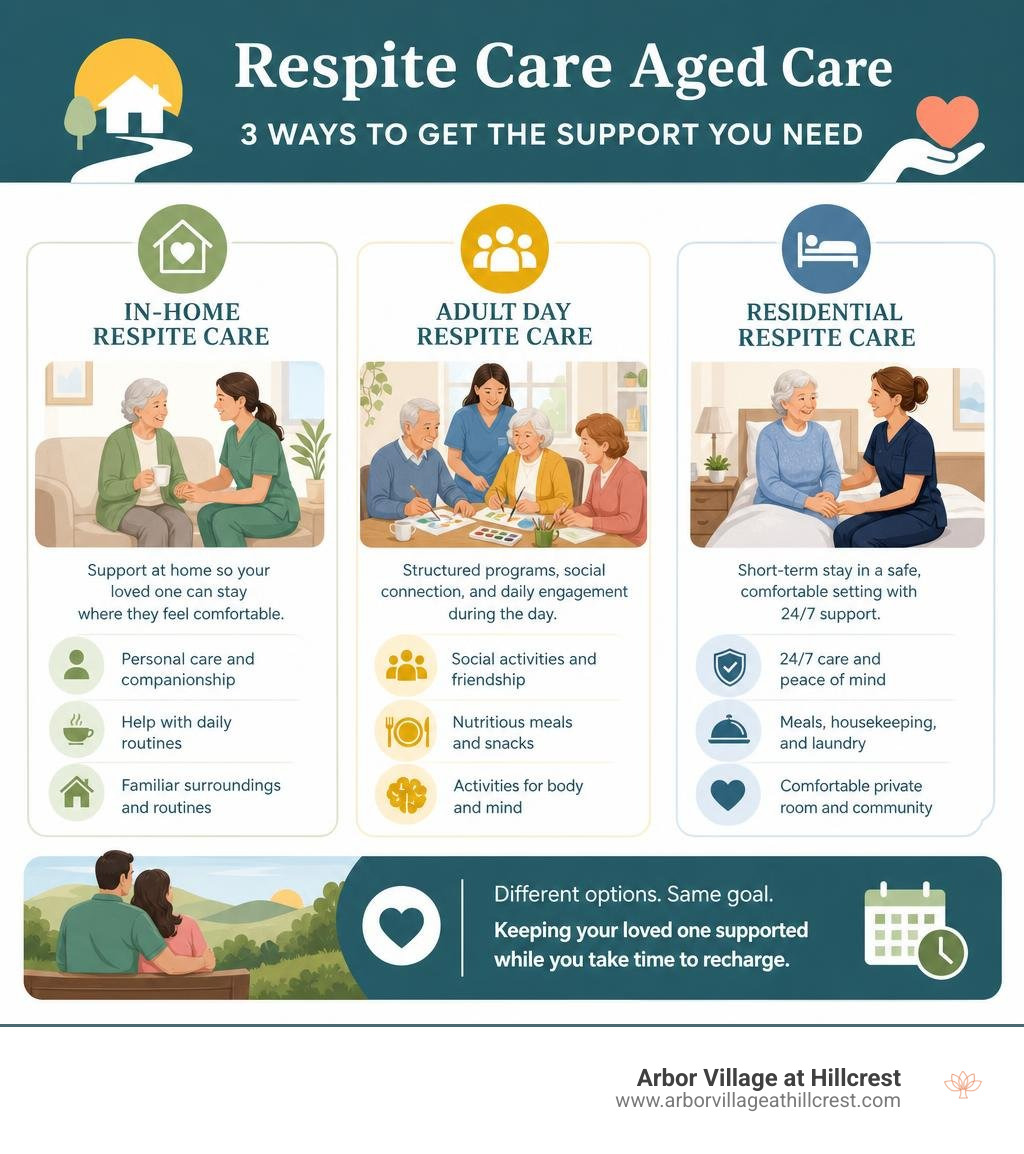
Temporary care comes in multiple settings, ranging from a few hours of support at home to several weeks in a full-service residential community. Demand for home health and personal care aides is expected to grow by 21% through 2033—much faster than the average for other occupations—reflecting how vital these specialized services have become for families nationwide.
Respite Setting Typical Duration Core Services Provided Best Suited For In-Home Care 2 to 8 hours per visit Companionship, light housekeeping, meal preparation, personal care Seniors who prefer familiar surroundings; caregivers needing daytime hours Adult Day Centers 4 to 8 hours (e.g., 9am–3pm) Social group activities, lunch/snacks, medication reminders, supervised care Working caregivers; seniors desiring daytime social stimulation Residential Respite Overnights up to several weeks 24-hour care, private furnished apartment, all meals, full community amenities Caregiver vacations, medical recovery, trial run for senior living In-Home and Adult Day Care Solutions
In-home respite brings certified aides directly to your door. This model is ideal if an older adult feels anxious in unfamiliar surroundings or has specific mobility challenges. Aides assist with activities of daily living (ADLs)—such as bathing, grooming, and dressing—while giving the primary caregiver several hours to run errands or rest.
Adult day care centers provide structured community settings during standard business hours. These centers offer personal care, social programming, and nutritious meals. They serve as an excellent option for individuals with mild cognitive impairment or Parkinson’s disease, offering safe supervision while adult children work.
Residential Respite Care Aged Care in Assisted Living Communities
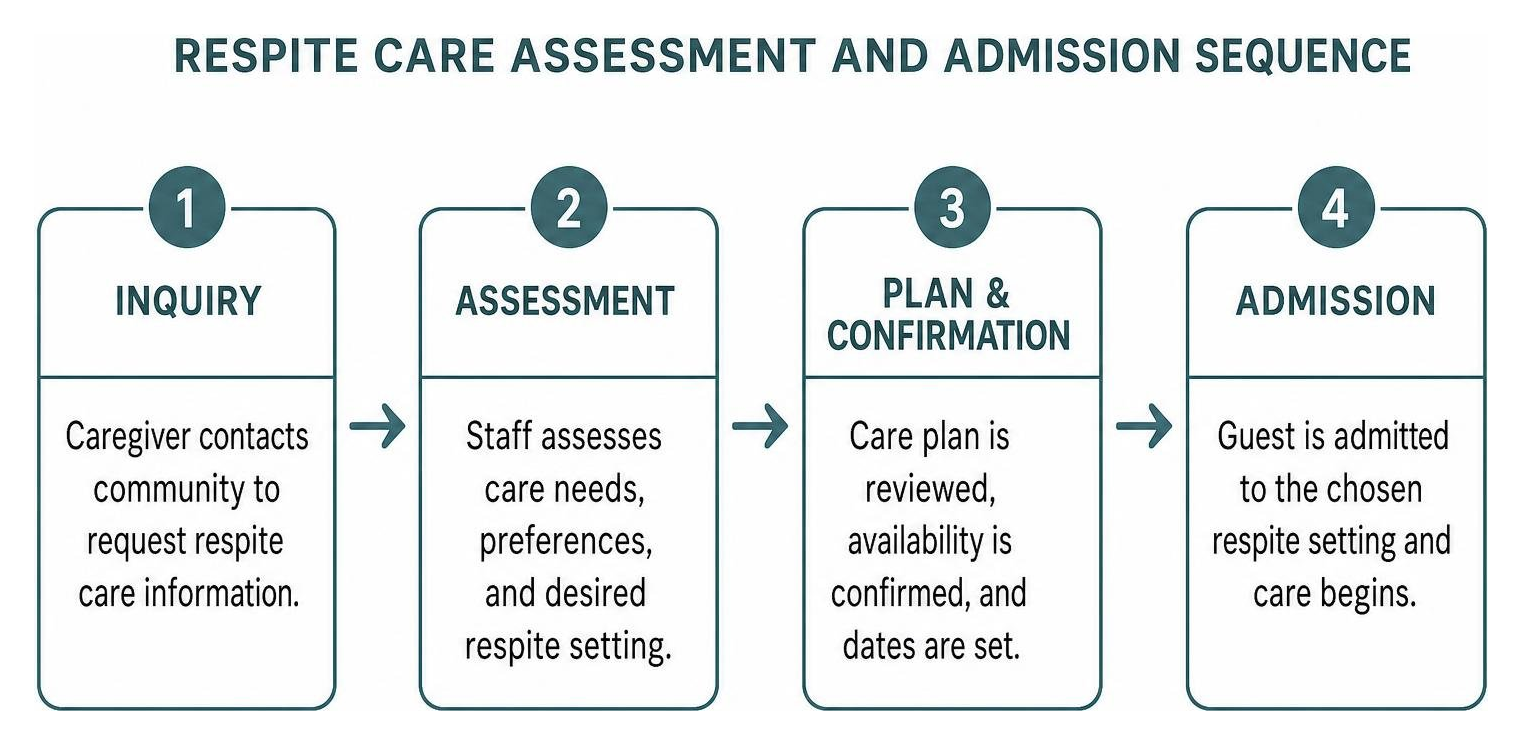
Residential respite care takes place within licensed assisted living communities. Guests stay in fully furnished private apartments and receive 24/7 assistance from on-site staff.
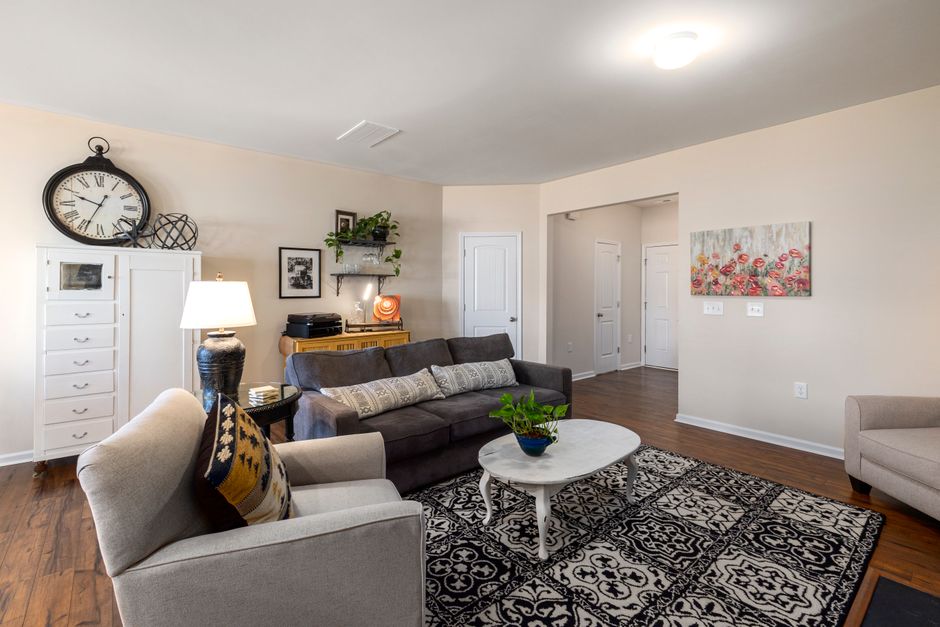
Whether you need support for a long weekend or several weeks while recovering from surgery, residential respite offers complete peace of mind. Guests enjoy private suites, customized dining, life enrichment activities, and attentive personal care. If you are exploring short-term housing options, finding the perfect Boise respite accommodation for your loved one ensures your family member enjoys comfort, security, and exceptional hospitality.
Eligibility, Costs, and Financial Assistance for Respite Services
Costs for respite care vary based on the level of care required, the setting chosen, and the geographic location. Understanding payment pathways and public programs is crucial for sound budget planning. Families learning the financial ropes can review taking a break: your guide to Boise temporary elder care for practical tips on navigating local rate structures.
Subsidies and Funding for Respite Care Aged Care
While standard private health insurance rarely covers non-hospice respite care, several public programs and specialized policies provide meaningful financial support:
- Medicare Hospice Respite: Medicare Part A covers most of the cost for up to five consecutive days of respite care in an approved inpatient facility or skilled nursing center for patients enrolled in hospice.
- The GUIDE Model: Through the Guiding an Improved Dementia Experience (GUIDE) Model, Medicare reimburses participating organizations up to $2,500 annually per eligible dementia patient for respite services.
- State Programs and Grants: In Idaho, families can access support through the Lifespan Respite Project – Idaho Commission on Aging and regional Area Agencies on Aging, which provide vouchers and funding for eligible family caregivers.
- International Benchmarks: Looking globally, programs like the Australian system demonstrate how statutory entitlements operate: eligible people are entitled to 63 days of respite care in a financial year, which can be extended by up to another 21 days if an aged care assessor approves it, as detailed by the Managing residential respite care | Australian Government Department of Health, Disability and Ageing guidelines.
Veterans Benefits and Caregiver Support Programs
Veterans and their surviving spouses have access to robust respite resources through the U.S. Department of Veterans Affairs (VA). Under programs like VA Community Living Centers, Homemaker and Home Health Aide programs, and the Aid and Attendance pension benefit, qualifying veterans can receive up to 30 days of respite care per calendar year.
Similar veteran-focused frameworks exist worldwide, such as the Australian Respite care | Department of Veterans’ Affairs program, which pays for up to 196 hours of in-home respite care, 28 days of residential respite care, or a combination of both each financial year.
How to Choose the Right Respite Provider and Plan for Emergencies
Selecting a provider requires careful vetting to ensure your loved one receives safe, compassionate, and dignified support tailored to their daily habits and clinical needs. When researching options, reading respite care Boise ID: your guide to the best local providers gives families a solid baseline for comparing quality standards.
Key Factors to Evaluate During Facility Visits
When touring an assisted living community for respite stays, focus on these critical operational details:
- Staffing Ratios and Training: Are caregivers available around the clock? Are team members trained in dementia care and behavioral de-escalation?
- Safety and Accessibility: Look for secure entryways, emergency call systems in bedrooms and bathrooms, grab bars, and wheelchair-friendly layouts.
- Dining Quality and Variety: Review current menus. Ask how special diets, hydration tracking, and texture modifications are handled.
- Community Life and Culture: Check the active monthly event calendar. Are there outings, craft sessions, exercise classes, and live entertainment?
- Licensing and Cleanliness: Ensure the community holds active state licenses without unresolved health citations.
Preparing for Crisis and Emergency Respite Placements
Caregiver emergencies—such as sudden illness, injury, or unexpected travel—happen without warning. Establishing an emergency respite plan ahead of time prevents panic.
- Pre-Certify with a Local Community: Contact communities in advance to complete intake questionnaires, verify medical histories, and review financial arrangements before a crisis occurs.
- Maintain an Updated Care Binder: Keep a binder accessible containing medication lists, physician contacts, insurance cards, power of attorney documents, and daily care preferences.
- Test with Planned Stays: Book a short weekend stay first so your loved one becomes familiar with the staff, environment, and dining routines.
Engaging Family and Community for Informal Respite Relief
Formal paid care is not the only way to find breathing room. Informal respite—relying on siblings, adult grandchildren, friends, and faith communities—plays a vital role in keeping family caregivers healthy. Discovering ways to give caregivers a break with the Boise respite care community helps build a strong circle of support.
To organize informal help successfully:
- Be Specific with Requests: Instead of asking for general help, assign specific tasks like picking up groceries, preparing meals, or sitting with your parent every Tuesday afternoon.
- Share Daily Responsibilities: Use digital shared calendars or care apps so multiple family members can coordinate rides and doctor appointments.
- Accept Assistance Gracefully: When friends offer to step in, accept their generosity with prepared task lists.
Frequently Asked Questions About Respite Care
How long can an older adult stay in respite care?
Residential respite stays typically range from a single weekend (2–3 days) up to several weeks or a full month, depending on provider availability and family needs. In-home and adult day options operate on hourly or full-day schedules.
Does Medicare or insurance pay for temporary aged care stays?
Standard Medicare does not cover routine residential respite or custodial assisted living stays. However, Medicare Part A covers up to five consecutive days for patients receiving hospice care, and the GUIDE model provides up to $2,500 annually for eligible dementia respite. Long-term care insurance policies and VA benefits often cover substantial portions of short-term residential stays.
What should families pack and prepare for an overnight respite stay?
Pack comfortable clothing, non-skid footwear, personal toiletries, eyeglasses, hearing aids (with extra batteries), and all current medications in their original prescription bottles. Adding personal touches like family photos, a favorite blanket, and a familiar book helps your loved one settle in smoothly.
Conclusion
Caring for an aging family member is an act of love, but you cannot pour from an empty cup. Respite care provides the vital breathing room families need to rest, recharge, and maintain their own wellness, while ensuring older adults receive attentive, engaging, and dignified care.
At Arbor Village at Hillcrest, we offer warm, pet-friendly independent living, assisted living, and short-term respite care right here in Boise, Idaho. With our renovated accommodations, vibrant daily activities, delicious dining, and dedicated care team, your loved one will feel right at home. Contact our team today to explore our short-term stay options and learn more about respite care in Boise, Idaho.
Ready to take the next step?
Schedule a Tour